


Why NEBOSH Certification in Pakistan Matters for Fire Safety, PPE, and Risk Control?
A small electrical spark in a factory storeroom may seem harmless at first. A worker notices smoke near stacked packaging material, but there is confusion about who should respond, where the extinguisher is located, and whether evacuation is necessary. Minutes later, panic spreads. The situation became more dangerous not because of the spark itself, but because people were unprepared.
Across workplaces in Pakistan, incidents like these highlight a simple reality: safety awareness matters before emergencies happen. From construction sites and warehouses to hospitals and manufacturing facilities, organizations increasingly recognize the need for proper workplace safety education. For many students and professionals exploring structured training, a recognized Safety Course can help build practical understanding of hazards, protective measures, and workplace responsibilities. For example, learners exploring a professional Safety Course often seek to understand how fire prevention, personal protective equipment, and hazard control work together in real environments.
Why Workplace Safety Matters More Than Ever in Pakistan?
Workplaces today are more complex than they were a decade ago. Industrial machinery, electrical systems, chemicals, confined spaces, and heavy equipment create environments where small mistakes may lead to injuries or disruptions.
In sectors such as construction, logistics, manufacturing, healthcare, and oil and gas, workers are exposed to risks that require more than common sense. Safety depends on awareness, preparation, and consistent systems.
Consider a warehouse worker moving heavy items without proper lifting technique or protective gloves. At first, the risk may seem minor. Over time, repeated strain can lead to injury. Similarly, one missing fire inspection may create serious consequences during an emergency.
Safety education helps workers and supervisors recognize warning signs early instead of reacting too late.
Fire Safety in the Workplace
Fire hazards exist in nearly every work environment, even offices.
Electrical faults, overloaded circuits, flammable liquids, poor housekeeping, and unsafe storage practices are common contributors to workplace fires.
Causes of Workplace Fires
Understanding root causes helps organizations reduce preventable incidents.
Some common fire risks include:
-
Faulty electrical wiring
-
Overheated machinery
-
Improper chemical storage
-
Smoking near combustible materials
-
Blocked emergency exits
-
Lack of extinguisher awareness
Imagine a workshop where oily cloths are casually stored beside welding equipment. Workers may see it as routine until heat exposure turns a preventable issue into a dangerous event.
Good fire safety practices begin with awareness.
What Employees Should Know About Fire Response
Many people assume fire safety simply means using extinguishers. In reality, prevention matters just as much as response.
Employees should understand:
-
Emergency evacuation routes
-
Alarm systems and reporting procedures
-
Types of fire extinguishers and their uses
-
Basic hazard identification
-
Safe storage practices
For example, using water on an electrical fire can worsen the situation. Workers trained in hazard recognition are more likely to respond appropriately.
Fire Drills Build Confidence
A fire drill may seem repetitive, but repetition creates familiarity.
When people already know where exits are located and who is responsible during emergencies, confusion decreases significantly. Calm responses often depend on preparation rather than instinct.
Why is PPE More Than Just Equipment?
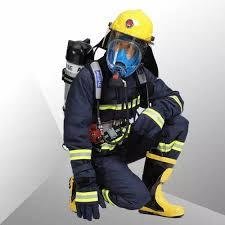
Personal protective equipment, often called PPE, is one of the most visible parts of workplace safety.
Yet many workers misunderstand its role.
Wearing gloves, helmets, goggles, masks, or safety shoes does not automatically eliminate risk. PPE works best when combined with awareness, training, and proper workplace systems.
The Purpose of PPE
PPE acts as a barrier between workers and hazards.
Examples include:
-
Safety helmets on construction sites
-
Gloves for chemical handling
-
Goggles in welding or laboratory work
-
Respirators in dusty environments
-
Hearing protection near loud machinery
A worker cutting metal without eye protection may not think much about risk until a small particle causes injury. In many cases, PPE protects workers from incidents they never see coming.
Mistakes Employees Make With PPE
Even when equipment exists, incorrect use creates problems.
Some frequent issues include:
-
Wearing damaged gear
-
Using incorrect equipment for the task
-
Ignoring replacement schedules
-
Removing PPE due to discomfort
-
Lack of understanding about proper fitting
A hard hat worn incorrectly cannot offer the intended level of protection.
Organizations benefit when workers understand why PPE matters instead of seeing it as an obligation.
PPE Awareness Creates Safer Habits
Safety culture often grows through repetition and everyday behavior.
When supervisors regularly explain why protective equipment matters and workers feel responsible for each other’s wellbeing, compliance becomes more natural.
Over time, safe habits become routine rather than forced.
Risk Control in Real Workplaces
Every workplace contains hazards, but not every hazard leads to harm.
The difference often lies in how risks are identified and controlled.
Risk control means recognizing hazards, evaluating their likelihood, and reducing the chances of injury or disruption.
What Is Risk Assessment?
Risk assessment involves asking practical questions:
-
What could go wrong?
-
Who might be affected?
-
How severe could the outcome be?
-
What controls already exist?
-
What additional actions are needed?
For instance, a warehouse may identify slipping hazards due to water leakage near loading areas. Installing warning signs, fixing drainage, and improving maintenance schedules can reduce incidents.
Risk assessment turns guesswork into planning.
The Hierarchy of Risk Control
Safety professionals often prioritize prevention before relying only on personal protective measures.
A practical approach may include:
1. Elimination
Remove the hazard completely if possible.
Example: replacing unsafe equipment.
2. Substitution
Use safer alternatives.
Example: replacing toxic chemicals with lower-risk materials.
3. Engineering Controls
Modify systems to reduce exposure.
Example: installing ventilation systems.
4. Administrative Controls
Improve procedures, schedules, or training.
Example: rotating workers to reduce fatigue.
5. PPE
Use protective gear when risks cannot be removed entirely.
This layered approach improves workplace protection instead of relying on one single method.
Example
Imagine a packaging company where employees repeatedly slip near wet production areas.
Initially, management distributed slip-resistant shoes. The issue continues.
Later, the organization investigates deeper causes and installs anti-slip flooring, improves drainage, and updates cleaning schedules.
In this example, PPE helps, but stronger risk control strategies create better outcomes.
How Safety Awareness Supports Workers and Employers?
Safety training benefits more than compliance requirements.
Workers often become more confident when they understand hazards and emergency procedures. Supervisors make better decisions because they recognize warning signs earlier.
Organizations also experience benefits such as:
-
Fewer workplace disruptions
-
Improved communication
-
Better hazard reporting culture
-
Increased awareness of responsibilities
Employees who understand workplace risks are more likely to speak up before problems escalate.
A junior technician noticing exposed wiring may report it immediately rather than assuming someone else will handle it.
This shift in mindset strengthens workplace culture over time.
Building Everyday Safety Habits
Safety is rarely about one dramatic moment.
More often, it depends on consistent routines.
Safety Habits Workers Can Follow
Here are simple but effective habits:
-
Inspect equipment before use
-
Report damaged tools immediately
-
Follow PPE requirements consistently
-
Avoid shortcuts during risky tasks
-
Keep exits and pathways clear
-
Participate actively during drills
Small habits reduce larger risks.
For example, regularly checking extinguisher accessibility may save valuable seconds during emergencies.
Why Does Communication Matters?
Many incidents occur because assumptions replace communication.
A worker may assume machinery has been shut down when maintenance is still ongoing.
Clear reporting systems, warning labels, and team communication reduce avoidable mistakes.
Safety becomes stronger when everyone participates rather than depending solely on managers.
Learning Pathways and Safety Education in Pakistan
As workplace expectations evolve, more students and professionals seek structured learning to improve their understanding of hazard prevention, fire response, and workplace systems.
When comparing institutes or training pathways, learners often look for practical teaching methods, experienced instructors, and internationally recognized frameworks. Programs connected with recognized qualifications such as NEBOSH are frequently explored by individuals who want a broader understanding of workplace hazards, PPE responsibilities, and risk management practices in real settings.
The quality of learning matters because safety concepts become more effective when learners can connect theory with workplace situations. Case studies, scenario-based discussions, and practical examples often make safety training easier to understand and apply.
FAQs
Why is fire safety important in workplaces?
Fire safety helps reduce injuries, confusion, equipment damage, and emergency risks. Proper awareness improves prevention and emergency response.
What does PPE mean in workplace safety?
PPE stands for personal protective equipment. It includes items such as helmets, gloves, goggles, masks, and protective footwear designed to reduce exposure to hazards.
What is risk control?
Risk control involves identifying hazards and reducing the likelihood of harm through planning, procedures, equipment, and workplace improvements.
Can workplace incidents be prevented completely?
Not every risk can be removed, but many incidents become less likely through awareness, preventive systems, proper equipment, and training.
Why do workers need safety training?
Training helps employees recognize hazards, respond correctly during emergencies, and understand safe working procedures.
Conclusion
Workplace safety depends on preparation long before emergencies occur. Fire prevention, proper PPE use, and risk control are connected parts of a safer working environment rather than separate responsibilities.
Whether someone works in construction, logistics, healthcare, or manufacturing, understanding hazards helps reduce confusion and improve decision-making. Structured learning, practical awareness, and consistent safety habits all contribute to stronger workplace protection.
As industries continue to prioritize safer environments, learning how risks are identified and controlled can help workers and organizations build a more informed and responsible safety culture.

 English
 Romaian
 Portuguese (Brazil)