


Which Power Barrow Features Matter for Daily Work?
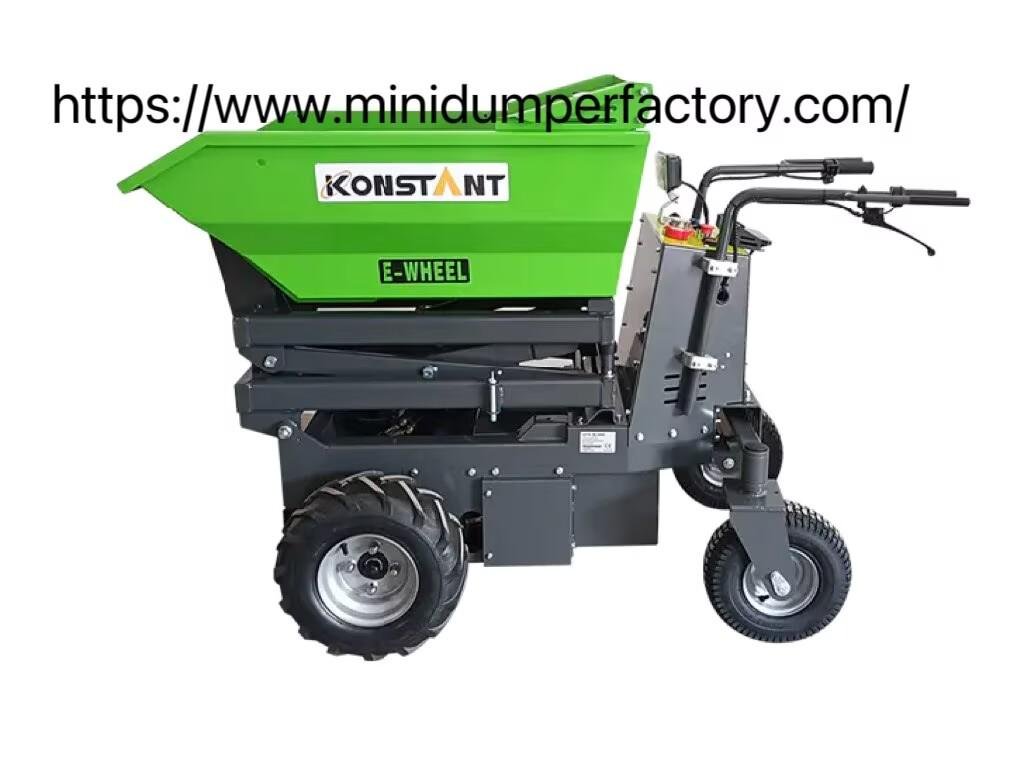
Power Barrow selection should begin with the actual requirements of the project rather than a single specification. Buyers may need equipment for moving soil, gravel, concrete, stones, garden waste, construction materials, or other loose loads. Before placing an order, it is useful to consider the material type, expected load, working environment, access conditions, drive system, unloading method, and maintenance requirements. Reviewing these factors together can make equipment comparison more practical and help buyers identify a configuration that fits their intended application.
Start With the Material
The material being transported should be one of the first considerations. Soil, gravel, sand, stones, concrete, and garden waste can differ in density, volume, and loading characteristics. These differences may affect the suitable bucket capacity and operating arrangement.
Buyers should estimate the type and approximate amount of material handled during normal work. It is also useful to consider whether loading will be performed manually or with another machine. The loading method can affect the required bucket height, opening, and surrounding workspace.
Understanding the material also helps buyers communicate more clearly with a manufacturer. Instead of simply asking for a general model, they can provide information about the materials, approximate quantities, and expected working conditions.
Check Site Dimensions
The physical layout of the working area can influence equipment selection. Before purchasing, buyers should measure gates, entrances, paths, storage areas, and other restricted sections.
Narrow routes may require a compact configuration with suitable maneuverability. Projects involving frequent turns should also have enough space for changing direction safely and efficiently.
Terrain deserves similar attention. Construction sites may contain loose soil, gravel, slopes, or uneven surfaces, while landscaping projects can include grass, garden paths, and compact ground. Buyers should compare tire or track configurations according to the surfaces where the equipment will normally operate.
Match Capacity With the Workload
Capacity should correspond with the actual workload instead of being considered separately. Buyers can estimate how much material needs to be moved during a typical day and how many transportation cycles may be required.
Material density is another factor. The same bucket volume can represent different weights depending on what is being carried. Gravel, wet soil, and lightweight garden waste may create very different loading conditions.
Load distribution should also be considered. Keeping material positioned appropriately inside the bucket can support stable handling, particularly when traveling across uneven areas or slopes.
Review the Drive System
Different drive systems may suit different applications. Buyers should compare the available configurations according to terrain, working frequency, expected travel distance, and site conditions.
For battery-operated models, charging arrangements, battery capacity, operating duration, and charging location should be reviewed. Buyers should consider whether the available schedule provides enough time for charging between work periods.
For engine-driven models, buyers can review engine specifications, fuel requirements, operating conditions, and maintenance procedures. The choice should be connected to the actual environment and daily workflow rather than based on one specification.
Examine the Tipping Function
The unloading stage is an important part of material transportation. Buyers should check how the load will be discharged once the equipment reaches its destination.
Hydraulic tipping, bucket dimensions, lifting height, and discharge position may affect how easily materials can be placed at the required location. A project involving trenches, containers, piles, or raised platforms may have different unloading requirements.
It can be helpful to consider one complete work cycle: loading, transportation, positioning, unloading, and returning. This provides a clearer picture of how the equipment will fit into the overall workflow.
Consider Operator Requirements
The people operating the equipment should also be considered during the selection process. Buyers can review the control layout, steering method, braking system, tipping controls, and general operating procedure.
If several workers will use the same equipment, clear controls and straightforward operating procedures can make training easier. Buyers may also want to ask about operating manuals and recommended maintenance procedures before ordering.
Storage is another practical point. Check whether there is enough space to store the equipment safely when it is not being used and whether charging or routine inspection requires additional arrangements.
Review Maintenance and Support
Routine maintenance can influence long-term equipment management. Depending on the selected configuration, buyers may need to inspect tires or tracks, hydraulic components, batteries, engine parts, fasteners, and other moving components.
Before purchasing, ask about maintenance intervals, spare parts, warranty terms, technical documentation, and after-sales assistance. Having this information available can make it easier to prepare a maintenance schedule.
Buyers can also ask whether specific configurations or adjustments are available for different applications. This is particularly relevant for businesses handling multiple types of projects.
Compare the Complete Specification
minidumperfactory provides different configurations for material transportation applications. Buyers can compare dimensions, capacity, drive systems, tipping functions, and other specifications according to their working conditions.
Rather than focusing on one feature, it is useful to create a checklist covering material type, expected load, site dimensions, terrain, travel distance, unloading requirements, working frequency, storage conditions, and maintenance arrangements.
This approach can make communication with a manufacturer more precise. It also gives buyers a structured way to compare several configurations without relying on a single specification.
For buyers preparing a construction, landscaping, agricultural, or property maintenance project, minidumperfactory provides product information for different application requirements. The available models and specifications can be reviewed at https://www.minidumperfactory.com/ so buyers can compare the equipment with their actual site conditions and workload before making a purchasing decision.

 Romaian
 Portuguese (Brazil)
 Greek
Greek