


A Complete Guide to Patio Construction Service for Homeowners
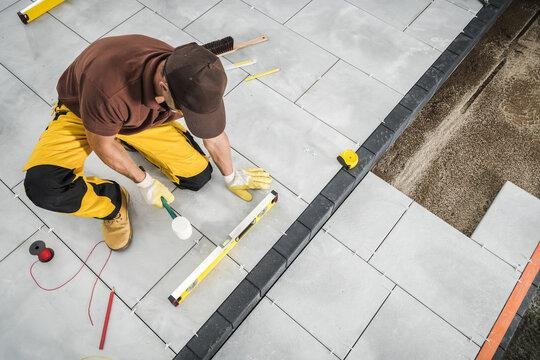
A well-planned patio can add useful outdoor space to your home. It can provide an area for relaxing, dining, entertaining guests, or spending time with family. Before starting a project, homeowners should understand the planning, materials, design choices, and preparation involved. Choosing the right approach can help create a patio that looks good and performs well for years.
Plan Your Patio Before Construction
Every successful patio project starts with a clear plan. Consider how much space you have available and how you want to use it. Think about furniture placement, walking paths, outdoor cooking areas, and access from the home.
The shape and size of the patio should match your property. A large patio may be useful for entertaining, while a smaller design may work better for limited outdoor space. Planning these details early can also help control the project budget.
Choose the Right Patio Material
Patios can be built with several different materials. Concrete, pavers, natural stone, and other surfaces are common choices. Each option has different costs, maintenance needs, durability, and design possibilities.
Concrete is popular because it can provide a strong and stable surface. Pavers can offer more design flexibility and can be replaced individually if needed. Natural stone can create a distinctive appearance but may require more planning and maintenance.
Consider Concrete Patio Installation
Concrete patio installation requires proper preparation before the concrete is placed. The ground needs to be evaluated, cleared, and prepared for the new surface. A suitable base helps reduce movement and cracking over time.
Drainage is another important factor. Water should move away from the home and should not collect on the patio surface. Proper grading can help protect the patio and nearby areas from water-related problems.
Prepare the Ground Properly
Ground preparation is one of the most important parts of patio construction. Grass, roots, loose soil, and other materials may need to be removed. The area should then be leveled and compacted according to the requirements of the selected patio material.
Poor preparation can cause problems later. Uneven settling may create low areas, cracks, or unstable sections. Taking time to prepare the foundation can improve the long-term performance of the finished patio.
Think About Drainage
Good drainage should be included in the patio plan from the beginning. A patio that holds water can develop surface problems and may contribute to moisture issues near the home. The slope should direct water toward an appropriate drainage area.
Existing gutters and downspouts should also be considered. Downspouts should not discharge large amounts of water directly onto the patio. Depending on the property, additional drainage solutions may be needed.
Select a Practical Patio Design
A patio should fit both your home and your lifestyle. Consider whether you need space for a dining table, chairs, grill, fire feature, or other outdoor items. Leave enough room for people to move comfortably around these features.
The patio should also connect naturally with existing outdoor areas. Walkways, gardens, steps, and landscaping can be included in the overall design. A practical layout can make the finished space easier to use every day.
Consider Albuquerque Weather Conditions
Outdoor construction in Albuquerque requires attention to local weather and site conditions. Strong sunlight, temperature changes, wind, and seasonal moisture can affect outdoor surfaces. Choosing suitable materials and construction methods can help improve durability.
The patio should also be designed for regular outdoor use. Materials need to withstand normal exposure while remaining manageable to maintain. Proper installation is just as important as material selection.
Set a Realistic Budget
A patio budget should include more than the main construction material. Site preparation, excavation, grading, drainage, edging, labor, and finishing details can all affect the final cost. Additional features may increase the project price.
It is useful to determine your priorities before construction begins. Decide which features are essential and which ones can be added later. A clear budget can help prevent unexpected changes during the project.
Decide Between DIY and Professional Work
Some homeowners consider building a patio themselves. Simple projects may seem manageable, but larger installations can involve grading, excavation, base preparation, drainage, and specialized equipment. Mistakes in these areas can affect the finished surface.
Professional contractors can handle the preparation and construction process more efficiently. They can also identify potential site problems before work begins. This can be especially useful when the property has drainage, slope, or soil concerns.
Check Local Requirements
Before construction begins, homeowners should check whether permits or other approvals are required. Requirements can vary depending on the project size, location, property conditions, and local regulations. It is better to confirm these details before work starts.
Property boundaries should also be considered. A patio should not interfere with easements, utilities, drainage paths, or neighboring properties. Proper planning can help avoid problems after construction is underway.
Think About Patio Maintenance
A new patio still needs regular care. The maintenance requirements depend on the material and finish. Cleaning, removing stains, checking joints, and addressing minor problems early can help preserve the surface.
Concrete and paver patios may have different maintenance needs. Some surfaces may require sealing, while others may need joint material replaced over time. Following the recommended care routine can help extend the life of the patio.
Add Features That Improve Outdoor Living
A patio can be more than a flat outdoor surface. Homeowners may add seating areas, outdoor lighting, planters, steps, retaining walls, or cooking spaces. These features can make the area more comfortable and functional.
However, every addition should be considered during the design stage. Electrical lines, drainage, access, and structural requirements may affect the layout. Planning these features early can create a more organized final result.
Prepare for Future Changes
Your outdoor needs may change over time. A patio that works for a small family today may need to accommodate more furniture or additional features later. Leaving enough open space can provide flexibility.
You may also want to add a pergola, outdoor kitchen, lighting, or other improvements in the future. Planning for these possibilities can prevent unnecessary reconstruction. A flexible design can provide better long-term value.
Choose an Experienced Contractor
The contractor you choose can have a major effect on the quality of the finished project. Look for a company with experience in patio construction and outdoor improvements. Ask about previous projects, materials, preparation methods, timelines, and warranties.
Communication is also important. A good contractor should explain the work clearly and answer questions before construction begins. Written estimates and clear project details can help both sides understand what is included.
Why Proper Construction Matters
A patio may look simple, but several steps affect its performance. The foundation, drainage, grading, material selection, installation technique, and finishing all contribute to the final result. Skipping an important step can create expensive problems later.
Professional planning can help reduce these risks. Contractors can evaluate the site and recommend solutions based on its conditions. This approach can help homeowners get a patio that is functional, attractive, and built for regular use.
When Demolition May Be Necessary
Older patios may need to be removed before a new one can be installed. Cracked concrete, unstable surfaces, poor drainage, or an outdated layout can make replacement a better option. Demolition service can help clear the existing structure and prepare the property for a new patio project.
The removal process should be handled carefully. Workers may need to protect nearby landscaping, structures, utilities, and other property features. Once the old patio is removed, the site can be evaluated and prepared for the new design.
Start Your Patio Project With the Right Team
A new patio can improve how you use your outdoor space and add practical value to your property. The key is to focus on proper planning, strong preparation, suitable materials, and professional installation. Taking these steps can help reduce future repairs and create a surface that fits your needs.
For homeowners in Albuquerque, NM, and surrounding areas, Z-Constructors INC is a top choice for patio construction and related outdoor services. Their team can help with planning, preparation, construction, and project requirements. Contact Z-Constructors INC today to discuss your patio project and start creating a durable outdoor space for your home.

 English
 Portuguese (Brazil)
 Greek
Greek