


Septic Tank Installation: A Complete Guide for Homeowners
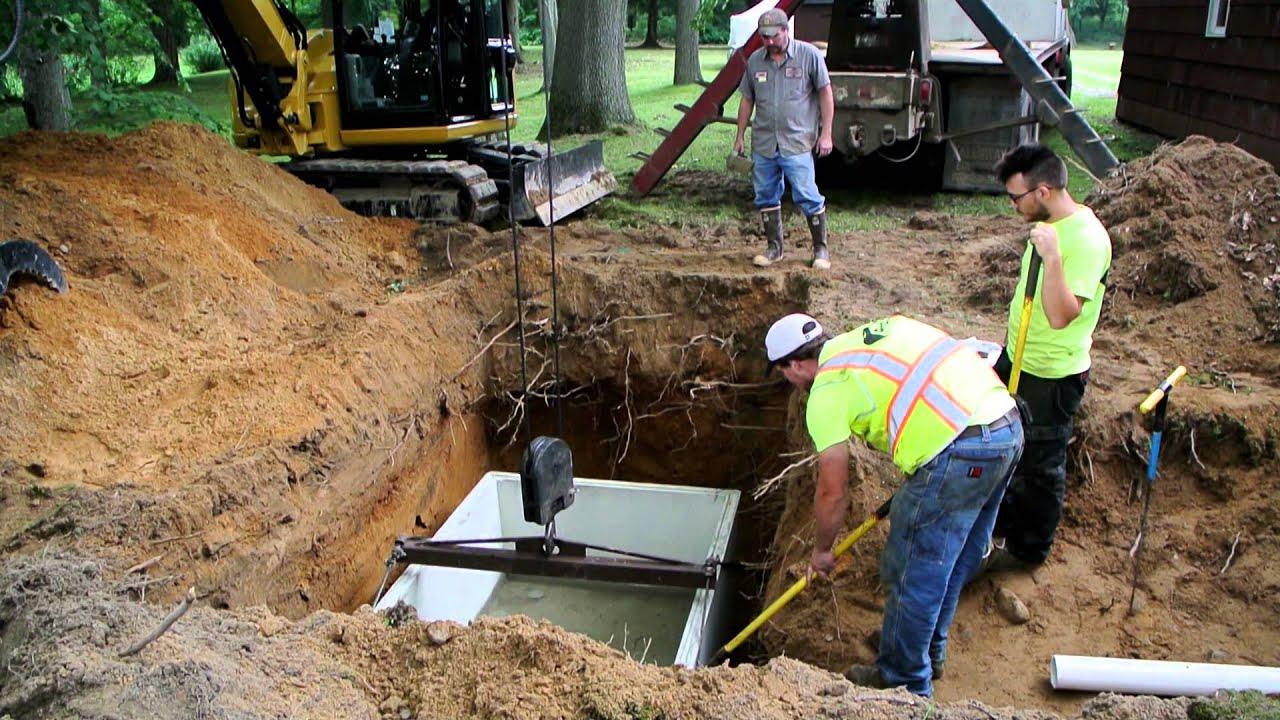
When a property is not connected to a municipal sewer system, a septic system becomes an essential solution for wastewater management. Proper septic tank installation is crucial for maintaining sanitation, protecting the environment, and ensuring long-term system performance. Whether you're building a new home or replacing an outdated system, understanding the installation process can help you make informed decisions and avoid costly mistakes.
In this guide, we'll explore everything you need to know about septic tank installation, including its benefits, the installation process, key considerations, and maintenance tips.
What Is a Septic Tank?
A septic tank is an underground wastewater treatment system commonly used in rural and suburban areas. It collects wastewater from bathrooms, kitchens, and laundry facilities, separating solids from liquids through a natural settling process.
The tank allows solid waste to settle at the bottom while oils and grease float to the surface. The partially treated liquid, known as effluent, then flows into a drain field where it undergoes further filtration through the soil.
A properly installed septic system can function efficiently for decades with regular maintenance and care.
Why Proper Septic Tank Installation Matters
Installing a septic tank is more than simply placing a container underground. The entire system must be carefully designed to suit the property's size, soil conditions, water usage, and local regulations.
Proper septic tank installation offers several benefits:
- Efficient wastewater treatment
- Protection of groundwater and nearby water sources
- Reduced risk of sewage backups
- Long-term cost savings
- Compliance with local health and environmental regulations
- Increased property value
Poor installation can lead to system failures, unpleasant odors, contaminated water supplies, and expensive repairs.
Factors to Consider Before Septic Tank Installation
Before beginning a septic tank installation project, several important factors must be evaluated.
1. Soil Testing
Soil conditions play a significant role in determining whether a septic system will function effectively. A percolation test, commonly called a perc test, measures how quickly water drains through the soil.
Soils that drain too slowly or too quickly may require alternative system designs.
2. Property Size and Layout
The available land area affects the size and placement of both the septic tank and drain field. Adequate spacing from buildings, wells, property lines, and water bodies is essential.
3. Household Size
The number of occupants in a home determines the required tank capacity. Larger households generate more wastewater and require larger septic systems.
4. Local Regulations
Most municipalities require permits and inspections before septic tank installation can begin. Working with licensed professionals ensures compliance with all applicable regulations.
5. Groundwater Levels
High groundwater levels can interfere with proper wastewater treatment and may require specialized installation techniques.
The Septic Tank Installation Process
Although the exact process may vary depending on location and system type, the following steps are typically involved in septic tank installation.
Step 1: Site Evaluation
A professional contractor evaluates the property to determine the most suitable location for the septic tank and drain field. Soil tests and site surveys are conducted during this phase.
Step 2: System Design
Based on the site evaluation, engineers or septic professionals design a system that meets local codes and accommodates the property's wastewater needs.
Step 3: Obtaining Permits
Before excavation begins, necessary permits must be obtained from local authorities. This step ensures the project complies with environmental and health regulations.
Step 4: Excavation
The installation area is excavated using heavy equipment. Trenches are prepared for both the septic tank and the drain field.
Step 5: Tank Placement
The septic tank is carefully lowered into the excavation site and positioned according to design specifications. Proper leveling is essential for optimal performance.
Step 6: Pipe Installation
Inlet and outlet pipes are connected between the house, septic tank, and drain field. These pipes allow wastewater to flow efficiently through the system.
Step 7: Drain Field Construction
The drain field is installed using perforated pipes surrounded by gravel or other approved materials. This area disperses treated wastewater into the soil.
Step 8: Inspection and Testing
Local authorities often inspect the installation before the system is covered. Testing ensures all components function correctly and meet regulatory standards.
Step 9: Backfilling and Final Grading
Once approved, the excavation area is backfilled with soil, and the site is graded to prevent water accumulation around the system.
Types of Septic Tanks
Several types of septic tanks are available, each offering unique advantages.
Concrete Septic Tanks
Concrete tanks are durable and long-lasting. They can withstand heavy loads and typically last several decades when properly maintained.
Plastic Septic Tanks
Plastic tanks are lightweight, corrosion-resistant, and easier to install. They are often more affordable than concrete alternatives.
Fiberglass Septic Tanks
Fiberglass tanks combine durability with resistance to rust and cracking. They are suitable for various soil conditions.
Steel Septic Tanks
Although once common, steel tanks are less frequently used today due to their susceptibility to corrosion and shorter lifespan.
Common Septic Tank Installation Mistakes
Avoiding common installation errors can save homeowners significant time and money.
Improper Site Selection
Installing a septic system in unsuitable soil or near water sources can lead to contamination and system failure.
Incorrect Tank Sizing
Undersized tanks may become overloaded, while oversized systems can be unnecessarily expensive.
Poor Drain Field Design
A poorly designed drain field can result in inadequate wastewater treatment and premature system failure.
Ignoring Local Regulations
Failure to obtain permits or follow local guidelines may result in fines and costly corrective work.
Inadequate Slope and Drainage
Proper grading ensures wastewater flows correctly through the system without causing backups.
Maintenance Tips After Septic Tank Installation
Once the septic tank installation is complete, regular maintenance is essential for maximizing system lifespan.
Schedule Regular Pumping
Most septic tanks should be pumped every three to five years, depending on household usage.
Conserve Water
Reducing water consumption prevents unnecessary strain on the system and improves efficiency.
Avoid Flushing Harmful Materials
Do not flush grease, wipes, chemicals, medications, or non-biodegradable products into the system.
Protect the Drain Field
Keep vehicles, heavy equipment, and structures away from the drain field to prevent soil compaction and pipe damage.
Conduct Routine Inspections
Regular professional inspections can identify potential issues before they become major problems.
Cost of Septic Tank Installation
The cost of septic tank installation varies based on several factors, including:
- Tank size
- System type
- Soil conditions
- Property location
- Excavation requirements
- Permit fees
- Labor costs
While installation costs may seem significant initially, a properly installed septic system can provide decades of reliable service and reduce long-term wastewater management expenses.
Environmental Benefits of Septic Systems
Modern septic systems play an important role in environmental protection. Properly functioning systems help:
- Prevent water pollution
- Replenish groundwater supplies
- Reduce strain on public sewer infrastructure
- Support sustainable wastewater treatment
By investing in quality septic tank installation and regular maintenance, homeowners contribute to healthier ecosystems and cleaner communities.
Conclusion
Septic tank installation is a critical investment that directly impacts the health, safety, and functionality of your property. From site evaluation and system design to proper installation and ongoing maintenance, every step plays a vital role in ensuring long-term performance. By working with qualified professionals and following recommended maintenance practices, homeowners can enjoy an efficient, reliable septic system for many years.
Frequently Asked Questions (FAQs)
How long does septic tank installation take?
Most residential septic tank installations take between one and five days, depending on site conditions, permitting requirements, and system complexity.
How long does a septic tank last?
A well-maintained septic tank can last 20 to 40 years or longer, depending on the material and usage.
Do I need a permit for septic tank installation?
In most areas, permits and inspections are required before installation can begin. Check with your local authorities for specific requirements.
How often should a septic tank be pumped?
Most septic tanks should be pumped every three to five years, though frequency depends on household size and water usage.
Can I install a septic tank myself?
While some jurisdictions may allow it, professional installation is strongly recommended to ensure compliance with regulations and proper system performance.

 English
 Romaian
 Greek
Greek