


How Do Custom Wiper Blades Meet Specific Vehicle Needs?
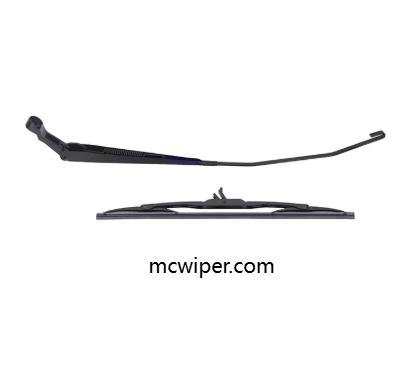
Custom Wiper Blades require careful planning before an order moves into development or production. For automotive parts distributors, importers, wholesalers, and private-label businesses, the purchasing process involves more than selecting a length or appearance. Vehicle compatibility, connection design, material preferences, inspection criteria, and order arrangements all affect whether a proposed product matches its intended application. A clear brief helps buyers communicate their expectations and gives the manufacturer a practical basis for evaluating the project.
Start With Accurate Vehicle Application Information
The first step is to identify the vehicles the product will serve. Different models and production years may use different mounting structures, blade lengths, curvature profiles, or installation methods. Even when two products look similar, their connection details may not be interchangeable.
Buyers should prepare the vehicle make, model, production year, and relevant reference numbers. If the project covers several applications, a spreadsheet can help organize each requirement and reduce confusion during quotation and sample review. Photographs of the original component, technical drawings, or physical samples can also provide useful reference information.
For distributors serving multiple markets, it is worth identifying the intended sales region and vehicle categories before development begins. This helps the manufacturing team understand the application scope and identify details that require further confirmation.
Confirm Dimensions and Connector Design
Dimensions should be recorded clearly rather than communicated through approximate descriptions. Buyers can specify the required length, connection type, installation direction, and other measurements relevant to the intended vehicle.
The connector deserves separate attention because it determines how the product attaches to the vehicle's existing mechanism. A similar-looking fitting may have a different locking method or mounting profile. Ask the supplier to verify the proposed design against the supplied drawings, samples, or application details.
It is also useful to establish which requirements are fixed and which allow adjustment. For example, a buyer may require a particular connection structure while remaining open to alternative materials or packaging formats. Documenting this distinction helps the manufacturer evaluate available options without changing essential specifications.
Discuss Materials and Construction Options
Material selection should reflect the expected operating environment, product design, and purchasing requirements. Buyers can discuss rubber compounds, supporting structures, surface finishes, and other construction details with the manufacturer.
Consider the conditions in the target market. Frequent rainfall, temperature changes, dust, and seasonal weather may influence the requirements for a particular application. Rather than relying on broad performance claims, buyers should explain the intended operating conditions and ask what product options and supporting information are available.
Construction details should also be reviewed alongside installation requirements. The assembled product needs to match the specified mounting system and application dimensions. Where particular inspection or performance criteria are required, agree on the relevant checks before sample approval. Written criteria provide a shared reference for both parties throughout the project.
Review Samples Before Confirming Production
A sample gives buyers an opportunity to assess whether the proposed design matches the agreed specification. During review, check overall dimensions, connector compatibility, assembly details, visible finish, and packaging presentation.
Where applicable, the evaluation can also cover installation, wiping behavior, operating noise, and durability under relevant test conditions. The precise checks should reflect the intended application and the requirements agreed with the manufacturer. Buyers should avoid approving production based only on appearance when functional compatibility remains unverified.
If a sample needs adjustment, provide specific feedback with photographs, measurements, or annotated drawings. Clearly identify the issue and the expected change. The revised sample should then be checked against the updated specification before the order proceeds.
Clarify Quality Control and Order Arrangements
Product approval is only one part of a purchasing decision. Buyers should ask how specifications are recorded, how incoming materials and finished products are checked, and whether inspection records can be provided for the relevant order.
Commercial details also need early discussion. Confirm the minimum order quantity, sample costs, estimated production schedule, packaging requirements, payment terms, shipping arrangements, and delivery destination. For customized projects, ask whether tooling or mold development is required and how related costs will be handled.
Businesses planning repeat purchases should discuss expected order volumes and replenishment schedules. This information can help both parties plan production and manage changes in demand. Packaging artwork, labels, barcodes, carton markings, and private-label requirements should be confirmed before manufacturing begins to reduce avoidable revisions.
Prepare a Practical Customization Brief
Before requesting a quotation, compile the main project details into one document. Include vehicle applications, dimensions, connector requirements, preferred materials, estimated quantities, packaging instructions, inspection criteria, and target delivery dates. Attach available drawings, photographs, or reference samples to support technical communication.
Separate mandatory specifications from optional preferences, and ask the manufacturer to identify any information that remains unclear. This approach gives both teams a shared reference for quotation, sample development, approval, and production planning.For businesses evaluating a manufacturing partner, mcwiper supports customized development based on customer drawings, samples, and project requirements, with development and production coordination for different order stages. Buyers can review the available product range and discuss their application needs through https://www.mcwiper.com/product/ before preparing specifications for a potential order.

 English
 Romaian
 Portuguese (Brazil)