


How Much Protein Do You Need After Sleeve Gastrectomy
Introduction
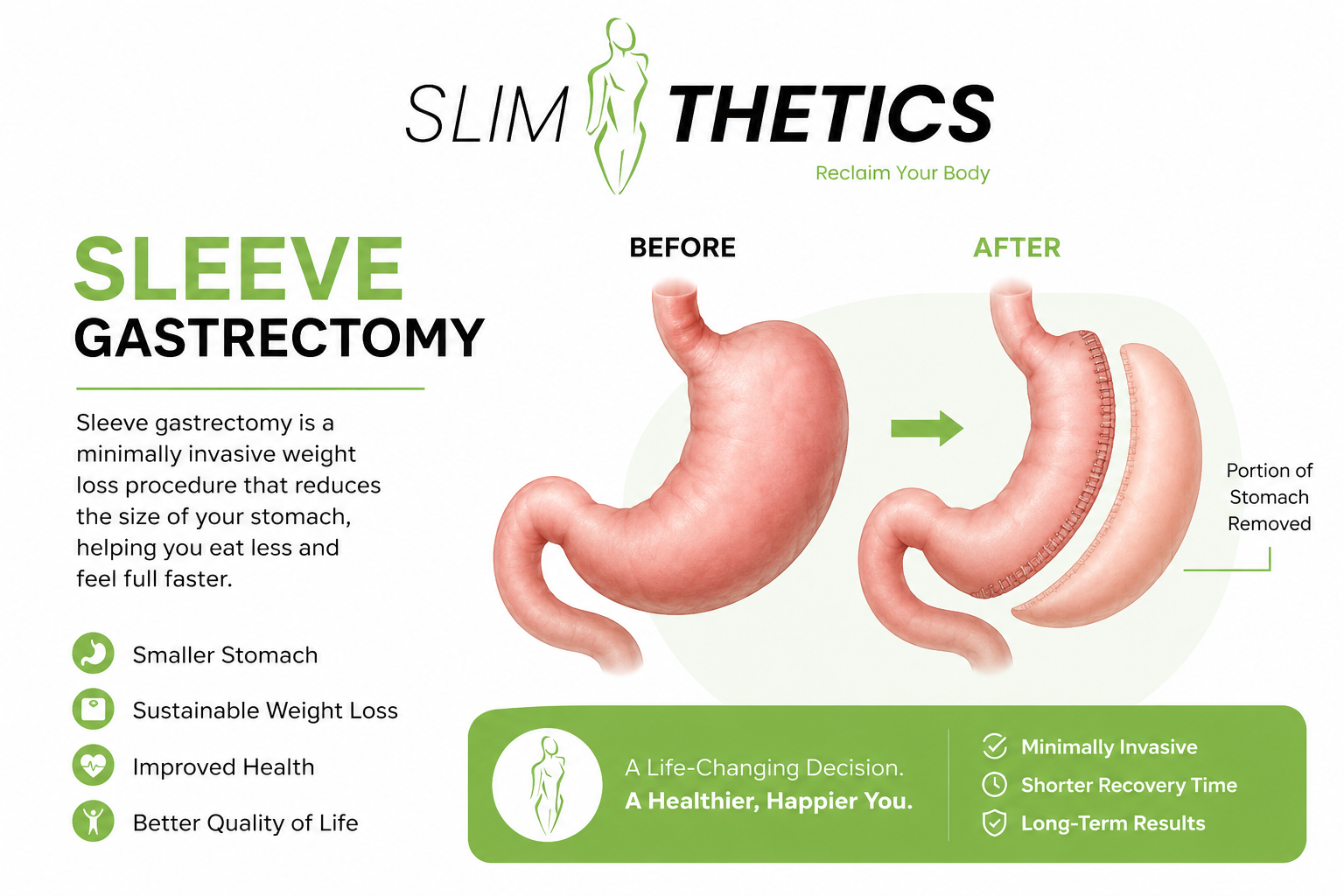
Protein plays an important role in healing, maintaining muscle, supporting metabolism, and helping the body recover after weight loss surgery. Because sleeve gastrectomy significantly reduces stomach capacity, patients need to make every bite count and choose nutrient rich foods that provide enough protein without overwhelming the smaller stomach.
For people undergoing Sleeve Gastrectomy in Islamabad, understanding protein requirements is an important part of preparing for surgery and planning life afterward. Protein needs can vary depending on your body weight, health status, activity level, stage of recovery, and recommendations from your bariatric team. A personalized nutrition plan helps ensure that weight loss comes primarily from excess body fat while supporting lean muscle and overall nutritional health.
- Protein supports tissue repair and recovery after surgery.
- Smaller meal portions make protein rich food choices particularly important.
- Individual protein requirements should be determined with a qualified healthcare professional.
- Nutrition needs can change during different stages of recovery.
Why Protein Is Important After Sleeve Gastrectomy
Protein is one of the most important nutrients after sleeve gastrectomy. During rapid weight loss, the body can lose both fat and lean tissue. Adequate protein intake can help support muscle preservation while the body adjusts to lower food intake.
Protein is also essential for wound healing and the production of important body proteins. After surgery, the body needs sufficient nutrients to repair tissues and recover from the procedure.
- Helps maintain lean muscle mass during weight loss.
- Supports tissue repair and wound healing.
- Contributes to normal immune system function.
- Helps maintain strength and physical function.
- Can increase feelings of fullness between meals.
How Much Protein Do You Need After Sleeve Gastrectomy
There is no single protein target that applies to every sleeve gastrectomy patient. Bariatric nutrition guidelines commonly recommend approximately 60 to 80 grams of protein per day for many patients, although some individuals may require more depending on their circumstances.
Your surgeon or registered dietitian may adjust your target according to your body composition, weight, kidney function, physical activity, nutritional status, and recovery stage.
Protein Requirements Can Change During Recovery
Immediately after surgery, patients generally progress through different dietary stages rather than returning directly to normal meals. Protein intake may initially come from approved liquids and supplements before gradually progressing to soft and solid protein sources.
- Early recovery may involve protein containing liquids.
- Protein supplements may help patients meet their daily target.
- Soft protein foods are gradually introduced as tolerated.
- Long term nutrition plans generally emphasize protein rich foods first.
How to Reach Your Daily Protein Target
Eating enough protein can be challenging when your stomach can only accommodate small portions. The most practical approach is usually to spread protein intake across several small meals instead of trying to consume a large amount at once.
For example, a patient with a target of 70 grams could distribute protein throughout the day rather than attempting to eat 70 grams in one or two meals.
Focus on Protein First
After your bariatric team allows solid foods, eating protein first can make it easier to reach your nutritional target before becoming comfortably full.
- Start meals with an appropriate portion of lean protein.
- Eat slowly and chew food thoroughly.
- Stop eating when you feel comfortably satisfied.
- Avoid forcing additional food after fullness.
- Follow the portion sizes recommended by your healthcare team.
Best Protein Foods After Sleeve Gastrectomy
The best protein choices depend on your recovery stage and individual tolerance. As your diet progresses, you may be able to include several different sources of high quality protein.
Lean Meat and Poultry
Chicken, turkey, and other lean meats can provide substantial protein in relatively small portions. Initially, these foods may need to be minced, shredded, or prepared very softly.
- Choose lean cuts whenever possible.
- Avoid dry or tough meat that may be difficult to tolerate.
- Use moist cooking methods to make food easier to eat.
- Introduce foods according to your bariatric diet plan.
Fish and Seafood
Fish can be a useful protein source because many varieties are soft and relatively easy to prepare. Options such as baked or steamed fish may be suitable after your healthcare team permits them.
- Choose baked, steamed, or grilled preparations.
- Avoid heavily fried options.
- Start with small portions.
- Chew thoroughly before swallowing.
Eggs
Eggs can provide protein in a small serving and may be incorporated into the diet once appropriate for your recovery stage.
- Scrambled eggs can be soft and easy to eat.
- Avoid adding excessive butter or high fat ingredients.
- Introduce eggs gradually if your digestive system is sensitive.
Dairy Products
Low fat Greek yogurt, cottage cheese, and other suitable dairy products can contribute protein while providing additional nutrients.
- Select options with higher protein and lower added sugar.
- Check serving sizes carefully.
- Choose lactose free alternatives if lactose intolerance develops.
- Avoid high sugar dairy products.
Plant Based Protein
Patients who prefer plant based foods can obtain protein from options such as beans, lentils, tofu, and other appropriate foods. However, tolerance and portion size should be considered.
- Introduce legumes gradually.
- Choose soft and well cooked options.
- Consider tofu as a soft protein source.
- Combine different foods to create a balanced diet.
Are Protein Shakes Necessary After Sleeve Gastrectomy
Protein shakes are not necessarily required forever, but they can be useful when patients struggle to meet their protein target through food alone. During the early postoperative period, a bariatric team may recommend an appropriate protein supplement.
A protein supplement should complement a healthy diet rather than replace nutritious meals indefinitely unless specifically recommended by your healthcare professional.
Choosing a Protein Supplement
When selecting a protein supplement, consider its protein content, sugar level, calorie content, ingredients, and your personal tolerance.
- Look for an appropriate amount of protein per serving.
- Avoid products with excessive added sugar.
- Choose a formulation recommended or approved by your bariatric team.
- Introduce supplements gradually if they cause digestive discomfort.
What Happens If You Do Not Get Enough Protein
Insufficient protein intake can make it harder to preserve lean muscle during significant weight loss. Prolonged inadequate nutrition may also contribute to weakness and nutritional deficiencies.
This is why postoperative follow up and nutritional monitoring are important.
- Muscle loss can become a concern during rapid weight reduction.
- Poor nutritional intake may affect recovery.
- Persistent weakness or unusual symptoms should be discussed with your healthcare provider.
- Regular follow up helps identify nutritional problems early.
Protein and Muscle Preservation
Weight loss after sleeve gastrectomy is primarily intended to reduce excess body fat, but some lean tissue can also be lost. Protein intake combined with appropriate physical activity can support efforts to preserve muscle.
Once cleared for exercise, resistance training can be particularly useful for maintaining strength and muscle mass.
Combine Protein With Exercise
Physical activity should be introduced according to your surgeon's recovery instructions. Starting too soon or exercising beyond your recovery capacity can interfere with healing.
- Begin with activities approved by your medical team.
- Gradually increase physical activity.
- Include resistance exercises when medically appropriate.
- Maintain adequate protein intake alongside exercise.
Common Protein Mistakes After Sleeve Gastrectomy
Some patients concentrate heavily on the number of grams of protein but overlook other aspects of nutrition and eating behavior. Protein should be part of a balanced postoperative diet rather than the only nutritional priority.
Eating Too Quickly
Eating rapidly can cause discomfort because the stomach has significantly less capacity after surgery.
- Take small bites.
- Eat slowly.
- Chew food thoroughly.
- Stop when you feel satisfied.
Choosing High Fat or High Sugar Protein Foods
Not every protein rich food is equally suitable for weight management. Some foods may contain significant amounts of added sugar or unhealthy fats.
- Check nutrition labels.
- Limit highly processed protein foods.
- Prioritize lean and minimally processed options.
- Follow your personalized bariatric nutrition plan.
Drinking Too Much With Meals
Many bariatric programs recommend separating fluids from meals to improve comfort and support adequate hydration. Your surgeon or dietitian should provide specific instructions for your situation.
- Maintain adequate hydration throughout the day.
- Follow your clinic's guidance regarding drinking around meals.
- Avoid sugary drinks.
- Sip fluids rather than consuming large quantities at once.
Protein Intake During Different Recovery Stages
Your protein strategy will usually change as your diet progresses. The early postoperative diet is generally more restrictive than the long term diet.
Early Stage
During the earliest stage, approved liquids and protein supplements may be used according to your surgical team's instructions.
Soft Food Stage
As healing progresses, soft protein sources may be introduced. Eggs, yogurt, cottage cheese, soft fish, and other appropriate foods may become options depending on individual tolerance.
Long Term Stage
Eventually, patients typically work toward obtaining most of their protein from nutritious whole foods while continuing supplements when recommended.
- Follow the diet progression provided by your healthcare team.
- Do not advance food textures prematurely.
- Prioritize protein at meals.
- Continue recommended vitamins and minerals.
Frequently Asked Questions About Protein After Sleeve Gastrectomy
Can I Get Enough Protein From Food
Yes, many patients can meet their long term protein needs through food once they have progressed to a regular postoperative diet. Protein supplements can be useful when food intake is insufficient.
How Much Protein Should I Eat Each Day
Many bariatric programs use a target around 60 to 80 grams daily, but your individual requirement may differ. Your surgeon or dietitian should determine the appropriate target for you.
Can Too Much Protein Be Harmful
Excessive protein intake is not automatically beneficial. Your overall nutritional needs and medical conditions should be considered when setting a target.
Do I Need Protein Shakes Forever
Not necessarily. Some patients use protein supplements mainly during the early recovery period or whenever they struggle to meet their protein goals through food.
Does Protein Help Prevent Hair Loss
Adequate protein and overall nutrition may help reduce nutritional contributors to hair shedding, but temporary hair loss can occur after major weight loss or surgery for several reasons. Persistent or significant hair loss should be discussed with your healthcare provider.
Final Thoughts
Protein is a key part of postoperative nutrition after sleeve gastrectomy because it supports recovery, helps maintain lean tissue, and contributes to a balanced approach to weight management. Rather than focusing only on a specific number, patients should follow a structured nutrition plan that considers protein intake, hydration, vitamins, minerals, portion sizes, physical activity, and individual health needs.
For individuals considering sleeve gastrectomy in Islamabad, professional guidance before and after surgery can make the nutritional transition easier and help patients understand how their dietary requirements evolve throughout recovery. A personalized plan is particularly important because protein requirements and food tolerance can vary considerably from one patient to another.
At Slimthetics Clinic, patients can receive structured guidance throughout their weight loss journey, from preoperative assessment and sleeve gastrectomy planning to postoperative nutrition and long term weight management. The focus is on combining appropriate medical care with practical lifestyle and nutrition guidance so patients can work toward sustainable health and weight management goals.

 Romaian
 Portuguese (Brazil)
 Greek
Greek