


How Frame Proportions Influence Sunglasses Selection
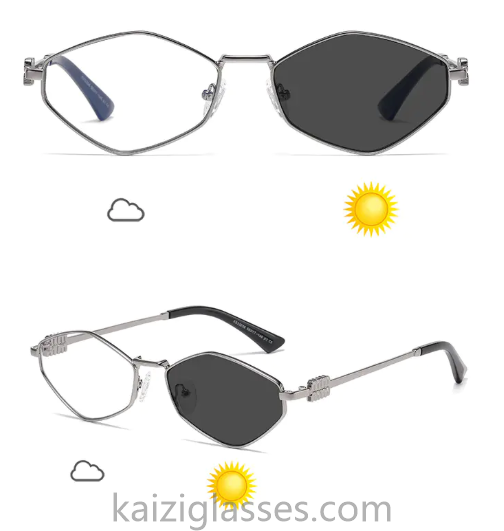
Frame proportions have a strong influence on the appearance and wearing experience of sunglasses, which is why Wide Frame Square Sunglasses continue to attract attention within contemporary eyewear collections. Their broader proportions and defined geometric lines can create a distinctive visual identity while offering opportunities for different lens shapes, materials, colors, and decorative details. For optical distributors and retailers, understanding the design characteristics behind this style can support more informed collection planning.
Square frames are recognized for their relatively straight lines, structured corners, and balanced geometric appearance. When combined with a wider silhouette, these characteristics can produce a bold fashion statement without requiring complicated decorative elements. The result can work across casual, urban, travel, and lifestyle-oriented collections, depending on the frame material, lens treatment, and color selection.
Frame width should not be considered only as a fashion element. It also influences fit, visual balance, and overall wearing comfort. A frame that is too wide for a particular wearer may move excessively or create pressure at the temples, while insufficient width may reduce comfort or alter the intended appearance. Manufacturers therefore need to consider frame geometry, bridge dimensions, temple length, and component relationships during product development.
Face-shape compatibility is another important consideration for retailers. Square silhouettes can provide visual contrast against softer facial contours, while consumers with more angular features may prefer variations with softened corners or adjusted proportions. Rather than treating face-shape guidelines as strict rules, retailers can present different frame geometries and allow customers to evaluate which proportions feel most comfortable and visually appropriate.
Material selection can significantly change the character of a square frame. Acetate-style materials may support layered colors, polished surfaces, and distinctive patterns, while lightweight synthetic materials can provide flexibility in design and a different wearing experience. Metal components can introduce a cleaner and more structured appearance. Combining materials can also create additional opportunities for brands seeking a recognizable collection identity.
Color development is especially useful when working with broad frame silhouettes. Neutral tones such as black, brown, gray, and transparent finishes can support versatile everyday collections, while brighter colors or patterned surfaces may appeal to fashion-oriented consumers. Lens colors can either complement the frame or create deliberate contrast. For wholesale buyers, a balanced assortment can provide both commercially familiar options and trend-focused alternatives.
Lens proportions also contribute to the overall character of a square frame. Larger lenses can emphasize the broad visual structure, while slightly reduced lens heights may create a lighter appearance. Different corner treatments can further change the impression of the same basic geometry. Rounded square, soft square, and sharply angular variations allow manufacturers to create multiple models without moving entirely away from the core design language.
From a manufacturing perspective, consistency is essential when producing geometric eyewear. Small differences in frame alignment, lens positioning, surface finishing, or temple symmetry can become noticeable on structured designs. Quality control should therefore examine the relationship between individual components rather than focusing solely on isolated parts. Sample approval, production inspections, and clear specifications can help buyers maintain consistency across larger orders.
For international brands, customization is another area worth considering. A square frame can serve as a foundation for different market identities through changes in color combinations, logo placement, surface treatment, lens options, and packaging. Private-label customers can therefore adapt the same general design direction to suit their target audience while maintaining a coherent brand image.
Consumer expectations are also changing as sunglasses increasingly function as both visual accessories and fashion products. People may choose eyewear based on travel needs, daily commuting, seasonal styling, social occasions, or personal identity. This creates demand for designs that combine recognizable silhouettes with practical wearing characteristics. Square frames can respond to this demand by offering a clear shape that can be interpreted in classic, minimalist, sporty, or fashion-forward ways.
For distributors and optical retailers, collection planning should ultimately consider more than individual model popularity. A successful assortment can include different widths, colors, lens treatments, materials, and degrees of geometric definition. This provides customers with more opportunities to find a suitable combination while helping retailers address multiple market segments within one product category.
Businesses developing contemporary optical collections can explore additional eyewear solutions through KAIZI at https://www.kaiziglasses.com/product/sunglasses/, where a broader selection of sunglasses styles can support wholesale sourcing, collection development, and private-label projects.

 English
 Portuguese (Brazil)
 Greek
Greek