


Exterior Painting in Byron Center, MI: A Step-by-Step Guide
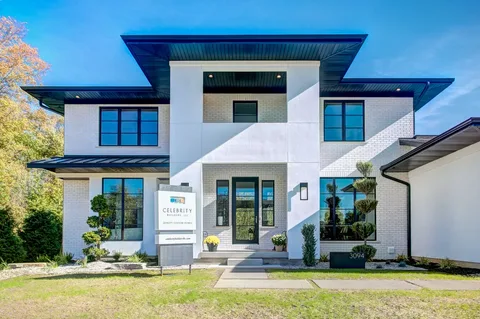
You know that moment when you pull into your driveway and suddenly notice how tired the outside of your house looks?
Maybe the siding has faded. The trim isn't as crisp as it used to be. A few spots are peeling, and the deck has lost its original color. Nothing feels like an emergency, but the house no longer has that clean, cared-for look.
That's often when homeowners start thinking about Exterior Painting in Byron Center, MI.
And honestly, exterior painting can make a huge difference. A well planned paint job can freshen up the appearance of your home while helping protect painted surfaces from moisture, sunlight, seasonal changes, and everyday wear.
But there's a catch.
Exterior painting isn't simply a matter of picking a color and grabbing a roller. The surface has to be ready, the weather needs to cooperate, and the right products need to be used for the material being painted.
If you're thinking about tackling the project yourself or hiring a professional, this guide will walk you through the process from preparation to the final inspection.
What Do You Need Before Exterior Painting Begins?
Before the first brush touches your house, take a good look at the exterior.
Walk around the property slowly. Don't just stand in the driveway and look at the front.
Check the siding, trim, doors, shutters, soffits, fascia, porch areas, and other painted surfaces. Look for peeling paint, cracks, mildew, stains, damaged wood, and areas where the previous coating has started to fail.
A useful starting checklist includes:
• Exterior paint suitable for the surface
• Primer when the surface requires it
• Brushes and rollers appropriate for the coating
• Drop cloths and protective coverings
• Scrapers and sanding materials
• Caulk for appropriate gaps and joints
• Cleaning equipment
• Ladders or suitable access equipment
• Personal protective equipment
But here's something people sometimes overlook.
You need time.
Exterior painting is rarely a good weekend project when you're trying to rush through it between other plans. Preparation alone can take significant time, especially on an older home.
Step 1: Inspect the Exterior Carefully
Start by identifying what actually needs to be painted.
You may discover that one section needs more attention than another. The south facing side of a house, for example, may experience stronger sun exposure and show more fading than a shaded wall.
Look closely at areas where water may collect or where surfaces remain damp.
If you find rotten wood, significant moisture damage, or an active leak, stop there.
Paint isn't a repair for structural or moisture problems.
This is one of those moments where doing less today can save you money later. Fix the underlying problem first, then paint.
For homeowners considering House Painting in Byron Center, MI, a professional inspection can also help identify preparation work that isn't obvious from a distance.
Step 2: Clean the Surfaces
Paint needs a clean surface to adhere properly.
Dirt, pollen, mildew, chalky residue, and other buildup can interfere with adhesion. Byron Center homes experience plenty of seasonal changes, so exterior surfaces can accumulate grime over time.
Cleaning methods depend on the surface and its condition.
A pressure washer may be useful for certain exterior surfaces, but more pressure isn't automatically better. Too much pressure can damage siding, force water into unwanted areas, or damage older wood.
The goal is simple:
Clean the surface without damaging it.
Allow the exterior to dry properly before moving forward.
[IMAGE: A homeowner inspecting and cleaning siding before an exterior painting project in Byron Center, Michigan]
Step 3: Scrape, Sand, and Repair Problem Areas
Now comes the part nobody really gets excited about.
Preparation.
But this is where a large part of the final result is decided.
Loose and peeling paint should be removed. Rough areas may need sanding. Small holes or appropriate gaps may need filling or caulking.
If you paint directly over loose coating, the new paint is only as reliable as the old layer underneath it.
Eventually, the loose area can continue separating, taking your new paint job with it.
Think of it like putting a new shirt over a torn shirt. It may look fine for a little while, but the problem underneath hasn't disappeared.
Step 4: Prime Where Necessary
Primer isn't always required everywhere.
That's worth saying because homeowners sometimes hear conflicting advice about it.
The need for primer depends on the existing surface, the condition of the substrate, repairs that have been made, the previous coating, and the new paint system.
Bare wood, significant repairs, stains, dramatic color changes, and certain difficult surfaces may require appropriate priming.
The important thing is to use the product according to its intended application rather than treating primer as a universal shortcut.
If you're unsure, ask a painting professional to evaluate the surface before buying several gallons of product.
Step 5: Choose the Exterior Paint and Color
Now we get to the fun part.
Color.
And yes, color matters. But don't choose it only because you saw it on another house or in an online photo.
Your home's roof, brick, stone, landscaping, windows, doors, and surrounding environment all affect how the color will look.
A shade that feels warm and welcoming on one property may look completely different on another.
For many homeowners, a simple approach works best:
Choose a primary exterior color, a complementary trim color, and an accent color for selected details such as the front door.
Don't overcomplicate it.
You want the house to feel intentional, not like every possible color made it onto the exterior.
[IMAGE: Three exterior paint color samples shown beside siding, trim, brick, and a front door to demonstrate coordinated color selection]
Step 6: Watch the Weather
This is especially important for Exterior Painting in Byron Center, MI.
Exterior coatings need appropriate weather conditions for application and drying. Temperature, humidity, rain, wind, and direct sunlight can all affect the painting process.
Michigan weather doesn't always make scheduling easy.
A day can start looking perfect and then turn into something completely different a few hours later.
That's why a professional painter watches the forecast rather than simply choosing a date on the calendar and hoping for the best.
If rain is expected, or if temperatures are outside the product manufacturer's recommended range, waiting may be the smarter choice.
It's frustrating to postpone a project.
It's even more frustrating to repaint it because it wasn't applied under suitable conditions.
Step 7: Protect Windows, Landscaping, and Other Areas
Before application begins, surrounding surfaces should be protected.
That includes windows, doors, walkways, landscaping, outdoor fixtures, and areas that aren't supposed to receive paint.
This sounds obvious, but small overspray and splatter problems can create a lot of cleanup.
A professional approach isn't just about how quickly the walls get painted.
It's also about what happens around them.
Careful masking, covering, and controlled application can make the final cleanup much easier.
Step 8: Apply the Paint Carefully
Once everything is ready, the actual painting begins.
The application method depends on the surface and coating.
Brushes are useful for detailed areas and edges. Rollers can efficiently cover suitable broad surfaces. Sprayers can be effective in certain situations but require proper preparation and control.
The goal isn't simply speed.
You want consistent coverage and clean transitions.
Watch corners, trim lines, edges, and areas where different materials meet.
And don't assume one thick coat is always better than two properly applied coats. Follow the paint manufacturer's application instructions for coverage, recoat timing, and recommended film thickness.
Step 9: Inspect the Work Before Calling It Finished
This is the step that's easy to skip.
Don't.
Walk around the house again once the paint has dried according to the product instructions.
Look at the exterior from different distances.
Check:
• Trim lines
• Corners
• Door and window areas
• Siding coverage
• Previously repaired spots
• Areas beneath eaves
• High visibility sections
You may find a small missed spot that wasn't obvious when you were close to the wall.
Fixing those details before the project is wrapped up gives the whole house a more consistent appearance.
Common Exterior Painting Problems and How to Handle Them
Peeling Paint
Peeling usually points to an adhesion or surface preparation issue, although moisture and other factors can contribute.
Don't simply paint over it.
Remove unstable coating and determine why the paint is failing.
Fading
Sun exposure can gradually change the appearance of exterior coatings.
Choosing a suitable exterior coating and color can help, but no paint remains completely unaffected by years of weather and sunlight.
Mildew
Dark or greenish growth on an exterior surface shouldn't simply be covered with paint.
Clean and treat the surface appropriately first.
Otherwise, you may end up painting over a problem instead of solving it.
Uneven Coverage
Uneven color can happen when the surface absorbs paint differently, the coating isn't applied consistently, or insufficient coats are used.
Proper preparation and following product instructions can help prevent this.
What Does Professional Exterior Painting Look Like?
Here's my biggest piece of advice if you're comparing painting companies.
Don't just ask, "How much does it cost?"
Ask what you're actually getting.
A low estimate may look attractive until you find out it doesn't include extensive scraping, repairs, primer, trim work, or cleanup.
A better conversation covers the complete scope of work.
Ask about preparation, surfaces being painted, products, coats, repairs, protection, cleanup, and scheduling.
If you'd like to find Form & Finish Co before discussing your project, use the Form & Finish Co location map.
For homeowners looking for Professional Exterior Painters in Byron Center, MI, these questions make comparing estimates much easier.
Pro Tips for a Better Exterior Painting Project
Here's the stuff I'd want a homeowner to know before spending money on paint.
Don't choose a color from a tiny sample alone. Test it against the actual exterior.
Don't skip preparation. It isn't wasted time. It's part of the paint job.
Don't paint damaged wood without addressing the damage.
Don't ignore weather conditions. A beautiful forecast matters more than a convenient calendar date.
Don't assume the cheapest quote is the best value. Compare the scope, materials, preparation, and workmanship.
And one more thing...
Don't forget the front door.
A fresh, well chosen door color can make an older exterior feel surprisingly new.
When Is the Best Time to Paint a Home Exterior?
The ideal timing depends on local weather and the specific paint manufacturer's requirements.
For Byron Center homeowners, the milder portions of the year are generally easier to work with than periods of freezing temperatures or unpredictable weather.
But don't treat a particular month as a guarantee.
A suitable painting window depends on actual conditions.
If you're scheduling a professional project, allow some flexibility. A responsible painter may recommend moving the start date when conditions aren't suitable.
That's not a delay for the sake of delay.
It's protecting the quality of the work.
Frequently Asked Questions
How often should a home's exterior be painted?
There isn't one universal schedule. The lifespan depends on the surface material, previous coating, product quality, preparation, sun exposure, moisture, and local weather. Instead of painting simply because a certain number of years has passed, inspect the condition of the existing coating.
How do I know if my house needs exterior painting?
Look for fading, peeling, cracking, chalky surfaces, exposed substrate, deteriorating trim, or areas where the existing coating is visibly failing. These signs suggest it's time to have the exterior evaluated.
Can I paint over old exterior paint?
Sometimes, but the existing coating needs to be stable and properly prepared. Loose, peeling, or failing paint should generally be addressed before applying a new coating.
Should I pressure wash before painting?
Cleaning is often an important part of preparation, but pressure washing must be done appropriately for the specific surface. Excessive pressure can cause damage.
How much does exterior painting cost in Byron Center, MI?
The price varies according to home size, surface material, condition, preparation requirements, number of stories, paint products, trim work, and other project details. A proper estimate should account for the actual scope rather than relying only on square footage.
Your Next Step
Exterior painting doesn't have to become one of those projects that sits on your weekend list for six months.
Start simple.
Walk around your home. Take a few photos. Look closely at peeling areas, faded siding, worn trim, and damaged surfaces. Then decide whether the project is something you can realistically handle yourself or whether professional help makes more sense.
For homeowners planning Exterior Painting in Byron Center, MI, good results usually come down to three things: preparation, suitable products, and careful application.
The color is the part everyone notices first.
But the work underneath that color is what helps it last.
So take your time, ask good questions, and don't be afraid to get a professional opinion before you begin. A fresh exterior can completely change how you feel when you pull into your driveway.
And sometimes, that's exactly what a home needs.

 English
 Romaian
 Greek
Greek