


Emotional Changes After Roux en Y Gastric Bypass Surgery
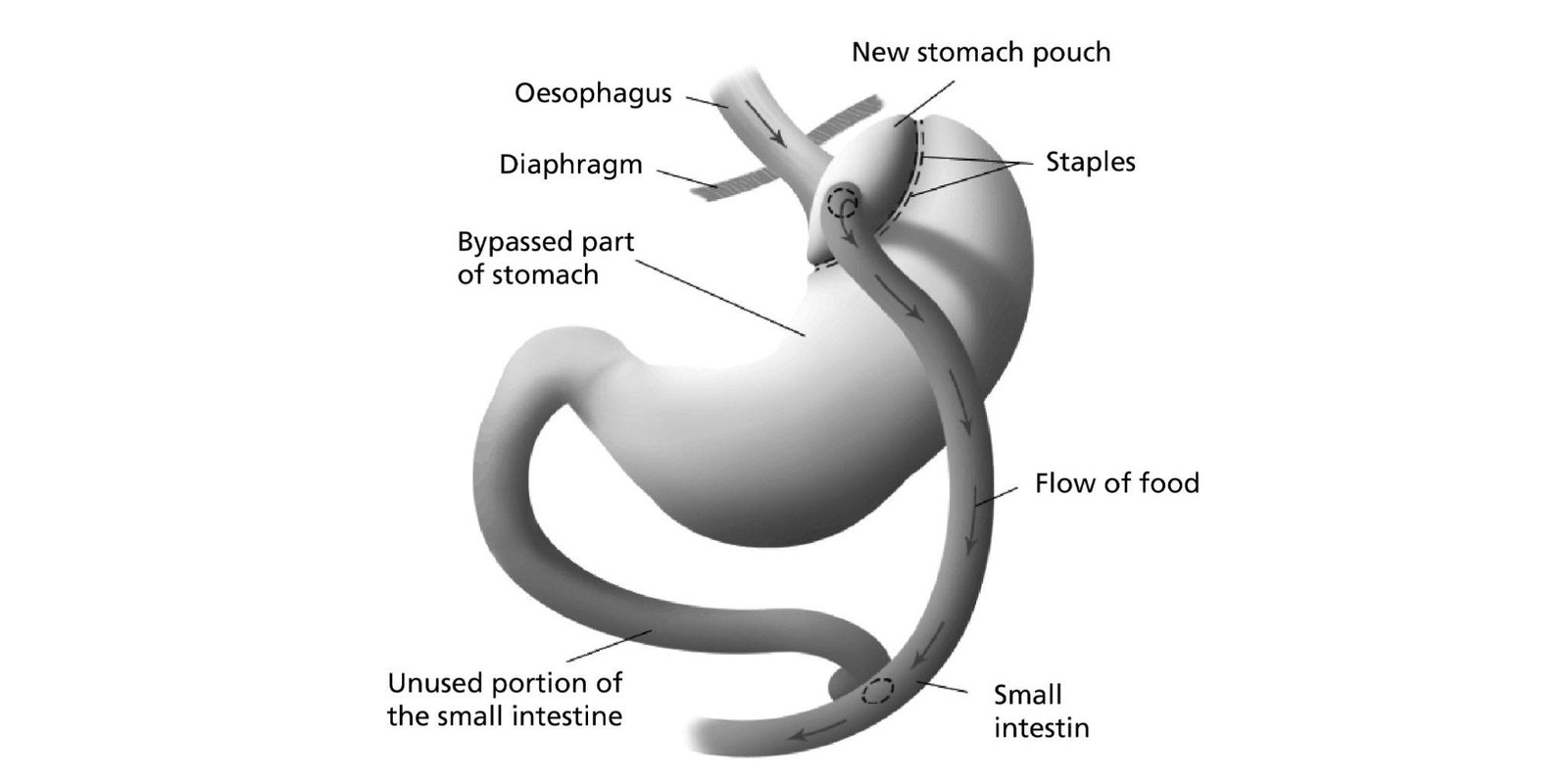
Weight loss surgery is more than a physical transformation. For many patients, significant changes in body weight, eating habits, appearance, daily routines, and health can also influence emotions and mental wellbeing. Roux en Y gastric bypass is one of the established bariatric procedures used to help eligible patients achieve substantial and sustained weight loss while improving obesity related health conditions. Understanding the emotional changes that may occur after surgery can help patients prepare for the journey and seek appropriate support when needed.
For patients considering Roux en Y Gastric Bypass Surgery in Islamabad, understanding the emotional side of recovery is just as important as learning about the surgical procedure, diet, complications, and expected weight loss. Emotional experiences can vary considerably from one person to another. Some patients feel more confident and energetic, while others may temporarily experience anxiety, frustration, mood changes, or difficulty adjusting to their new lifestyle.
Why Emotional Changes Can Occur After Gastric Bypass Surgery
Roux en Y gastric bypass changes the digestive system and requires patients to make significant lifestyle adjustments. These changes can affect eating behavior, social activities, body image, relationships, and daily routines.
Major Changes After Surgery
-
Rapid weight loss can change how patients see themselves.
-
Smaller portions may require a major adjustment in eating habits.
-
Changes in hormones and metabolism may influence mood.
-
Patients may experience different reactions from family, friends, or colleagues.
-
Lifestyle restrictions can sometimes cause frustration during the early recovery period.
Emotional adjustment is therefore considered an important part of the overall bariatric surgery journey. Patients should understand that experiencing different emotions does not necessarily mean something is wrong with their recovery.
Positive Emotional Changes After Roux en Y Gastric Bypass
Many patients experience positive psychological changes as their weight decreases and health improves. These changes may develop gradually rather than immediately after surgery.
Increased Self Confidence
Losing significant excess weight can improve how patients feel about their appearance and physical abilities. Patients who previously avoided certain activities because of their weight may become more comfortable participating in social or recreational activities.
-
Improved body confidence may encourage patients to become more active.
-
Clothing choices may become easier and more enjoyable.
-
Patients may feel more comfortable attending social events.
-
Improved mobility can contribute to a greater sense of independence.
Improved Quality of Life
Weight loss may make everyday activities easier. Walking, climbing stairs, exercising, traveling, and participating in family activities can become less physically demanding.
-
Better mobility may increase independence.
-
Improved physical health can support emotional wellbeing.
-
Greater energy may encourage participation in hobbies and activities.
-
Patients may develop healthier daily routines.
Emotional Challenges During the Early Recovery Period
Although many patients experience positive changes, the early postoperative period can also be emotionally challenging. The body is recovering from surgery while the patient is simultaneously learning new eating and lifestyle habits.
Frustration With Dietary Restrictions
After Roux en Y gastric bypass, patients initially follow a carefully structured diet that progresses from liquids to soft foods and eventually regular bariatric friendly meals.
-
Smaller portions can initially feel unfamiliar.
-
Patients may miss foods they previously enjoyed.
-
Eating slowly and carefully requires patience.
-
Temporary dietary restrictions may cause frustration.
These feelings generally become easier to manage as patients become accustomed to their new eating patterns and understand how different foods affect their body.
Anxiety About Weight Loss
Some patients become concerned when weight loss appears slower than expected. Others may worry about losing too much weight or developing nutritional deficiencies.
-
Weight loss does not occur at exactly the same rate for everyone.
-
Temporary plateaus can occur during the weight loss journey.
-
Individual results depend on multiple factors.
-
Regular medical follow up helps monitor progress safely.
Patients should avoid comparing their progress with other people because every surgical and metabolic response is different.
Changes in Body Image
Rapid weight loss can significantly change physical appearance. While this is often welcomed, adapting psychologically to a changing body can sometimes take time.
Adjusting to a New Appearance
Patients may notice changes in facial appearance, clothing size, body shape, and skin elasticity.
-
Positive changes may improve self esteem.
-
Loose skin may become a concern after substantial weight loss.
-
Patients may need time to recognize themselves after major physical changes.
-
Body image concerns should be discussed openly with healthcare professionals.
Emotional adjustment does not always happen at the same speed as physical transformation.
Relationship Between Food and Emotions
Food can have an emotional role in people's lives. Some individuals eat when they are stressed, bored, anxious, lonely, or upset. After gastric bypass, patients must develop alternative ways of managing these emotions.
Developing Healthier Coping Strategies
Patients can gradually replace emotional eating habits with healthier activities.
-
Walking or gentle exercise can provide a positive distraction.
-
Journaling may help identify emotional triggers.
-
Talking with supportive family members can reduce stress.
-
Counseling can help address long standing emotional eating patterns.
-
Developing hobbies can provide alternatives to food related activities.
Recognizing emotional triggers before surgery can make postoperative lifestyle changes easier to manage.
Emotional Eating After Gastric Bypass
Gastric bypass can change the physical capacity for eating, but it does not automatically eliminate the emotional reasons someone may have used food for comfort.
Recognizing Emotional Eating Triggers
Patients should learn to distinguish physical hunger from emotional urges to eat.
-
Physical hunger usually develops gradually.
-
Emotional eating urges may appear suddenly.
-
Stress or sadness can trigger cravings.
-
Certain social situations may encourage old eating habits.
If emotional eating becomes difficult to control, professional psychological or behavioral support can be valuable.
Social Changes After Gastric Bypass Surgery
Food is often an important part of social gatherings, celebrations, family events, and cultural traditions. Patients may initially feel uncomfortable when their eating habits differ from those around them.
Managing Social Situations
Planning ahead can make social events easier.
-
Focus on conversation and activities rather than food.
-
Choose foods that fit your postoperative dietary plan.
-
Explain your dietary requirements to close family members when necessary.
-
Avoid feeling pressured to eat foods that may not be appropriate for your recovery.
Over time, most patients become more comfortable managing social occasions while maintaining their nutritional goals.
Mood Swings After Gastric Bypass Surgery
Mood changes can occur during the adjustment period. Several factors may contribute, including physical recovery, changes in eating patterns, sleep, stress, lifestyle changes, and nutritional issues.
When Mood Changes Should Be Discussed
Patients should communicate with their healthcare team if emotional symptoms become persistent or interfere with daily life.
-
Ongoing sadness should not be ignored.
-
Persistent anxiety deserves professional attention.
-
Significant irritability may require evaluation.
-
Major changes in sleep or behavior should be discussed with a healthcare provider.
-
Feelings of hopelessness require prompt professional support.
Emotional symptoms should never be dismissed simply as a normal part of weight loss surgery.
The Importance of Psychological Support
Psychological support can play an important role before and after bariatric surgery. Counseling can help patients understand emotional eating, body image concerns, lifestyle changes, and expectations surrounding weight loss.
Benefits of Professional Support
-
Helps identify emotional eating patterns.
-
Supports healthy coping mechanisms.
-
Provides strategies for managing stress.
-
Helps patients adjust to body image changes.
-
Can improve confidence in maintaining long term lifestyle changes.
Patients do not need to wait until they experience a serious problem before seeking psychological support.
How Family Support Can Help
Family members and close friends can have an important influence on emotional recovery. Positive encouragement can make lifestyle changes easier, while criticism or pressure can make adjustment more difficult.
Building a Supportive Environment
Family members can help by:
-
Respecting the patient's dietary requirements.
-
Avoiding unnecessary pressure to eat.
-
Encouraging healthy activities.
-
Celebrating health improvements rather than focusing only on appearance.
-
Offering emotional support during difficult periods.
A supportive environment can help patients maintain motivation throughout their long term weight loss journey.
Managing Emotional Changes After Gastric Bypass
Patients can take several practical steps to support their emotional wellbeing after surgery.
Create Healthy Daily Habits
-
Follow the postoperative nutrition plan provided by your healthcare team.
-
Take prescribed vitamins and supplements as recommended.
-
Attend scheduled medical follow ups.
-
Maintain appropriate physical activity as your surgeon allows.
-
Prioritize adequate sleep.
-
Stay connected with supportive people.
-
Ask for professional help when emotional difficulties persist.
These habits can support both physical recovery and psychological adjustment.
Long Term Emotional Benefits of Weight Loss
As patients adapt to their new lifestyle, many may experience improvements in confidence, mobility, independence, and overall quality of life. Better management of obesity related health conditions can also reduce some of the stress associated with living with severe obesity.
Building a New Relationship With Health
Long term success is not simply measured by the number on the weighing scale.
-
Improved physical activity can support confidence.
-
Better health can encourage greater independence.
-
Healthier eating habits can become part of everyday life.
-
Improved mobility can increase participation in family and social activities.
-
Developing realistic expectations can support sustainable results.
The goal is to create a healthier lifestyle that can be maintained for years after surgery.
When Should You Seek Professional Help
Some emotional changes are temporary, but persistent or severe symptoms should be evaluated by a qualified healthcare professional.
Warning Signs to Take Seriously
-
Persistent sadness or anxiety.
-
Severe changes in mood.
-
Social withdrawal.
-
Difficulty following essential postoperative care.
-
Continued emotional eating despite efforts to manage it.
-
Feelings of hopelessness or thoughts of self harm.
Anyone experiencing thoughts of self harm should seek immediate professional or emergency assistance rather than attempting to manage these feelings alone.
Roux en Y Gastric Bypass Surgery in Islamabad
Choosing the right bariatric team is an important step for patients considering gastric bypass surgery. A comprehensive approach should include appropriate patient evaluation, surgical planning, nutritional guidance, postoperative monitoring, and support for lifestyle and emotional adjustment.
Patients researching Roux en Y Gastric Bypass Surgery in Islamabad should consider the surgeon's experience, hospital facilities, postoperative follow up, nutritional support, and the availability of appropriate care throughout the recovery journey rather than making a decision based solely on surgery price.
What Patients Should Ask Their Bariatric Team
-
Am I medically suitable for gastric bypass surgery?
-
What weight loss can I reasonably expect?
-
What dietary changes will I need to make?
-
What complications should I understand before surgery?
-
What vitamins and supplements will I need?
-
How frequently will I require follow up?
-
What support is available if I experience emotional or psychological difficulties?
-
What lifestyle changes will be expected after surgery?
Conclusion
Roux en Y gastric bypass surgery can bring major physical and lifestyle changes, and emotional adjustment is an important part of that transformation. Patients may experience increased confidence and improved quality of life, but they can also face temporary frustration, anxiety, body image concerns, emotional eating triggers, or challenges in social situations. Understanding these possibilities before surgery can help patients develop realistic expectations and prepare for long term success.
For individuals considering Roux en Y Gastric Bypass Surgery in Islamabad, Slimthetics Clinic offers a patient focused approach to weight loss care, combining bariatric surgical expertise with nutritional guidance, postoperative monitoring, and individualized support. The team at Slimthetics Clinic can help eligible patients understand their treatment options, prepare for surgery, and work toward sustainable weight loss and healthier long term habits under appropriate medical supervision.

 English
 Romaian
 Portuguese (Brazil)