


How Can Zjgycnc Mill-Turn CNC Machine Reduce Processing Steps
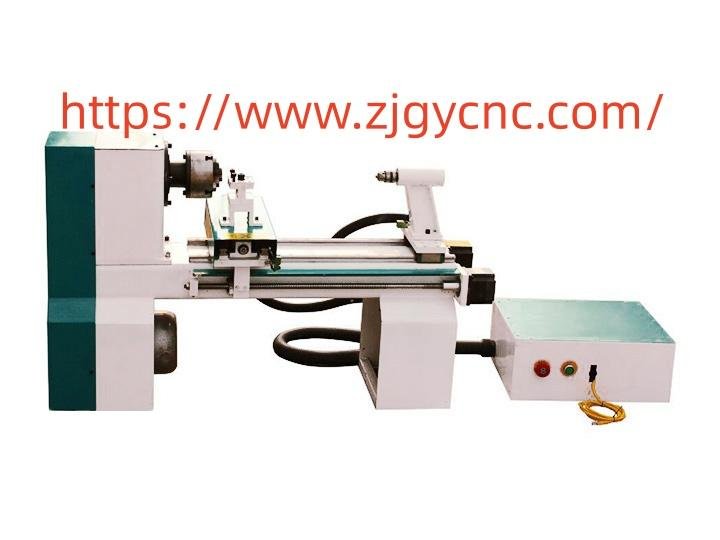
Mill-Turn CNC Machine technology combines rotational cutting with additional tool driven operations within one production environment. This arrangement can reduce the need to move a component between separate workstations when its design includes cylindrical surfaces together with holes, slots, flats, threads, or other features. Instead of treating every operation as an independent stage, manufacturers can organize several tasks around one setup and create a more connected production route.
Why Do Multiple Processing Steps Create Challenges?
A complex component may traditionally move through several stages before becoming a finished part. It could begin with external diameter work, continue with hole creation, then move to another workstation for slots or side features.
Every transfer requires preparation. The workpiece needs to be removed, transported, positioned again, aligned, and checked before the next operation begins.
These activities do not directly add material features to the component, yet they consume operator time and production resources. They can also make scheduling more complicated when several workstations are involved.
An integrated approach brings more of these activities into one production environment.
How Does One Setup Change The Workflow?
The main difference is the relationship between the workpiece and the cutting tools. Once the component is secured, several operations can be performed without repeatedly removing and repositioning it.
The process may begin with external shaping, followed by drilling or boring. Additional tooling can then create flats, grooves, cross holes, or other details.
Because the component remains referenced from the same initial position, operators do not need to establish a completely new setup for every secondary feature.
This can be especially useful when several features need to maintain a specific relationship with the main rotational surface.
Which Operations Can Be Combined?
The actual combination depends on the equipment configuration and component design. Common operations can include external turning, facing, drilling, boring, threading, grooving, milling, and tapping.
For example, a shaft may require several diameter sections together with a cross hole and a flat surface. In a separated workflow, these features could require movement between different work areas.
With an integrated setup, the production sequence can be arranged so that the rotational features are completed before additional cutting tools create the secondary details.
This reduces the number of times the component needs to be handled during production.
How Can It Reduce Repositioning?
Repositioning is often necessary when different equipment is used for different operations. The operator must establish a new reference point each time the component enters another workstation.
An integrated approach reduces these repeated positioning stages. The original reference can remain active while different tools perform their assigned operations.
This does not remove the need for careful setup or inspection. Tool condition, material characteristics, workholding, programming, and cutting conditions still influence the result.
However, reducing unnecessary repositioning can make the overall process easier to organize.
What Happens To Production Scheduling?
Production scheduling can become simpler when several operations are grouped together. Instead of coordinating a component across multiple workstations, manufacturers can plan a larger portion of the process around one production cycle.
This can reduce waiting between stages. A part does not necessarily need to remain in a queue while another workstation becomes available for its next operation.
For workshops handling custom components or changing orders, this can provide useful flexibility. Operators can organize programs according to different part designs while keeping more operations within the same production area.
Which Components Can Benefit?
The approach is particularly relevant to components that combine rotational and secondary features. Examples include shafts, connectors, fittings, couplings, sleeves, mechanical joints, and other parts with multiple feature types.
A simple cylindrical component may not require an integrated platform. If only basic turning is needed, a dedicated process may be sufficient.
The value becomes clearer when a component needs several related operations and repeated transfers would otherwise be required.
Manufacturers should therefore evaluate the geometry and production route of each component before selecting equipment.
How Does It Affect Workshop Organization?
Combining several operations can also influence floor planning. Fewer separate workstations may be required for a particular production route, while operators can organize raw materials, finished parts, inspection tools, and supporting equipment around a more concentrated workflow.
This can be useful for factories seeking to make better use of existing production space.
A connected process can also make material tracking easier. When fewer transfers occur, there may be fewer points where unfinished components need to be stored temporarily.
How Can Zjgycnc Support Integrated Production?
Zjgycnc provides machining equipment for manufacturers working with components that require multiple coordinated operations. When selecting a suitable configuration, buyers can consider part geometry, tooling requirements, production volume, workholding methods, operator workflow, and inspection procedures.
The goal should not simply be to reduce the number of steps. A practical solution should create a sensible relationship between each operation while maintaining suitable process control. Manufacturers can review available product options at https://www.zjgycnc.com/product/ when planning an integrated machining workflow.

 Romaian
 Portuguese (Brazil)
 Greek
Greek