


Bhutan Cultural Adventures: Explore the Traditions and Spirit of the Himalayas
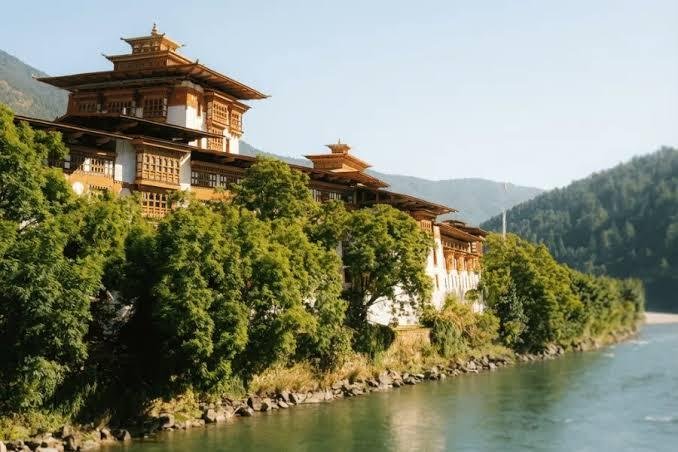
Bhutan cultural adventures combine cultural discovery with outdoor exploration, creating a travel experience that goes beyond ordinary sightseeing. Bhutan is famous for its Himalayan landscapes, ancient monasteries, impressive dzongs, traditional villages, colorful festivals, and deeply rooted Buddhist heritage. A cultural adventure allows travelers to experience these attractions while also hiking mountain trails, meeting local communities, tasting traditional food, and discovering the country's unique way of life.
Bhutan's Cultural adventures official tourism platform highlights a wide range of experiences, from archery and traditional crafts to trekking, cycling, hot-stone baths, and slow journeys through historic communities.
What Are Bhutan Cultural Adventures?
Bhutan cultural adventures are journeys that combine cultural experiences with active exploration. Instead of spending the entire trip visiting monuments from a vehicle, travelers can walk through villages, hike to monasteries, cycle through valleys, attend festivals, explore historic buildings, and interact with local people.
These adventures can be designed for different activity levels. A relaxed itinerary may include easy village walks, monastery visits, cooking experiences, and traditional craft demonstrations. More active travelers can combine cultural sightseeing with hiking, cycling, trekking, or other outdoor activities.
The result is a balanced journey that allows visitors to experience both Bhutan's heritage and its spectacular natural environment.
Hike to the Famous Tiger's Nest
One of the most memorable experiences on a Bhutan cultural adventure is hiking to Taktsang Monastery, commonly known as Tiger's Nest.
The monastery sits dramatically on a cliff above the Paro Valley. The hike passes through forested mountain scenery and provides impressive views along the way. Reaching the monastery offers both a physical challenge and an opportunity to explore one of Bhutan's most important spiritual landmarks.
Travelers who enjoy combining outdoor activity with history and spirituality can make this hike a central part of their itinerary.
Explore Bhutan's Historic Dzongs
Dzongs are magnificent fortress-monasteries that represent an important part of Bhutanese architecture and history. Their large courtyards, massive walls, wooden details, and religious artwork make them fascinating places to explore.
Punakha Dzong is particularly impressive because of its scenic location near the meeting point of two rivers. Rinpung Dzong in Paro and Tashichho Dzong in Thimphu are also important cultural landmarks.
Exploring these buildings with a local guide can reveal stories about Bhutanese Buddhism, government, architecture, and historical traditions.
Discover Traditional Villages
Village exploration adds a personal dimension to Bhutan cultural adventures. Rural communities provide opportunities to see traditional homes, agricultural fields, temples, local workshops, and everyday activities.
Walking through a village at a relaxed pace allows travelers to observe how Bhutanese people maintain traditional lifestyles while adapting to modern changes.
Farmhouse visits can make the experience even more memorable. Guests may enjoy local meals, learn about household traditions, and experience Bhutanese hospitality in an authentic setting.
Experience Bhutanese Festivals
Bhutanese festivals are among the country's most colorful cultural experiences. Tshechus feature masked dances, traditional music, elaborate costumes, and religious performances.
These celebrations bring communities together and provide travelers with an opportunity to observe traditions in a lively environment. Festival experiences can be particularly rewarding for photographers and travelers interested in history, religion, and performing arts.
Travelers planning a cultural adventure around a festival should select their travel dates carefully because celebrations take place at different times and locations throughout the year.
Combine Hiking With Cultural Discovery
Bhutan's mountainous terrain makes hiking a natural part of an adventure itinerary. Even relatively short hikes can lead to monasteries, viewpoints, villages, and historic sites.
A day of walking can be combined with visits to temples or traditional communities, creating a journey where the landscape becomes part of the cultural experience.
For more experienced hikers, Bhutan also offers longer trekking routes. These journeys can provide encounters with remote villages and landscapes that are difficult to experience on conventional sightseeing tours.
Try Traditional Bhutanese Archery
Archery is Bhutan's national sport and an important part of local social life. Traditional competitions can be energetic and highly entertaining, with participants and spectators creating a lively atmosphere.
Including an archery experience in a cultural adventure provides an opportunity to participate rather than simply observe. Travelers can learn about the traditional equipment, techniques, and social customs associated with the sport.
The activity is a fun way to connect with Bhutanese culture while enjoying an outdoor experience.
Experience Traditional Arts and Crafts
Bhutan's traditional crafts are another important part of its cultural identity. The country has preserved numerous artistic skills, including weaving, painting, wood carving, pottery, sculpture, embroidery, and metalwork.
Visitors can explore craft centers and workshops to see artisans working with traditional techniques. Bhutan officially recognizes a group of traditional arts and crafts known as zorig chusum, which includes a variety of artistic and practical skills passed down through generations. For travelers who enjoy hands-on experiences, a craft workshop can add an educational element to an adventure itinerary.
Taste Authentic Bhutanese Food
Food is an important part of discovering Bhutanese culture. Traditional cuisine often features rice, vegetables, cheese, and plenty of chilies.
Ema datshi, a chili and cheese dish, is one of Bhutan's best-known foods. Red rice, soups, vegetables, meat dishes, and locally prepared snacks are also common.
A cultural adventure can include cooking demonstrations or meals with local families. Learning how traditional dishes are prepared can be just as interesting as tasting them.
Some cultural journeys specifically include cooking experiences with local families, giving visitors an opportunity to learn about food traditions while interacting with communities. Explore Bhutan by Bicycle
Cycling offers an active way to experience Bhutan's valleys and rural communities. Mountain roads, winding trails, suspension bridges, traditional villages, and historic sites can all become part of a cycling journey.
Cycling can be tailored to different experience levels, from easier routes through valleys to more challenging mountain rides. Bhutan's official tourism resources highlight cycling as an adventure that can combine scenic routes with visits to isolated temples and rural communities.This makes cycling particularly suitable for travelers who want to combine exercise, photography, and cultural discovery.
Discover Buddhist Traditions
Buddhism is closely connected with Bhutanese identity. Monasteries, temples, prayer flags, chortens, and prayer wheels can be found throughout the country's valleys and mountains.
A cultural adventure can include visits to sacred sites where travelers learn about Buddhist philosophy, religious artwork, architecture, and daily monastic life.
Longer journeys can reach central Bhutan, including Bumthang, a region known for important temples, monasteries, and spiritual traditions.
Experience Phobjikha Valley
Phobjikha Valley offers a peaceful combination of natural beauty and cultural heritage. The region is known for its rural communities and Gangtey Monastery.
Walking through the valley provides opportunities to experience traditional landscapes and local life away from the busier tourist centers.
For travelers who want a quieter adventure, Phobjikha can provide an excellent balance between nature and culture.
Explore Bumthang's Cultural Heritage
Bumthang is particularly appealing to travelers who want to explore Bhutan beyond its western highlights. The region contains ancient temples, monasteries, traditional villages, and beautiful mountain valleys.
Longer Bhutan cultural adventures can include Bumthang alongside Paro, Thimphu, and Punakha. This creates a more comprehensive journey through the country's religious and cultural heritage.
Bumthang's slower pace also makes it suitable for travelers who prefer immersive experiences rather than tightly scheduled sightseeing.
Choose the Right Adventure Style
Bhutan cultural adventures can be customized according to fitness level and interests.
Travelers seeking a gentle journey can combine cultural attractions with short walks, village visits, local meals, and craft experiences. Those looking for more activity can add cycling, longer hikes, or trekking routes.
Families may prefer shorter outdoor activities combined with cultural attractions, while experienced hikers can select more demanding mountain routes.
The best itinerary is one that balances activity with enough time to appreciate each cultural experience.
Best Time for Bhutan Cultural Adventures
The ideal travel season depends on the activities included in the itinerary. Spring and autumn are popular periods for cultural sightseeing and outdoor adventures because conditions are generally favorable for exploring.
Travelers interested in festivals should plan around specific celebrations. Those interested in hiking and cycling should also consider weather and trail conditions when choosing their travel dates.
A carefully planned itinerary can make it possible to combine cultural attractions with outdoor activities comfortably.
Respect Local Culture During Your Adventure
Cultural adventure does not mean treating traditions as attractions alone. Visitors should approach religious sites and local communities respectfully.
Dress appropriately at monasteries and temples, follow photography rules, remain quiet during religious ceremonies, and listen to local guides. When visiting villages or homes, it is important to follow the host's customs.
Respectful travel helps preserve the authenticity of cultural encounters and creates more positive interactions between visitors and local communities.
Conclusion
Bhutan cultural adventures offer the perfect combination of exploration, heritage, spirituality, and outdoor activity. Travelers can hike to sacred monasteries, explore ancient dzongs, cycle through mountain valleys, attend traditional festivals, meet local artisans, taste Bhutanese cuisine, and discover peaceful rural communities.
The greatest appeal of this type of journey is its variety. One day can involve a challenging mountain hike, while the next can be spent learning about traditional crafts or sharing a meal with a local family.
For travelers who want more than conventional sightseeing, Bhutan provides an opportunity to experience the Himalayas through both adventure and culture. A thoughtfully planned cultural adventure can create lasting memories while offering a deeper appreciation of Bhutan's traditions, landscapes, and people.

 Romaian
 Portuguese (Brazil)
 Greek
Greek