


DIY Furniture Ideas for Beginners Easy Projects to Start
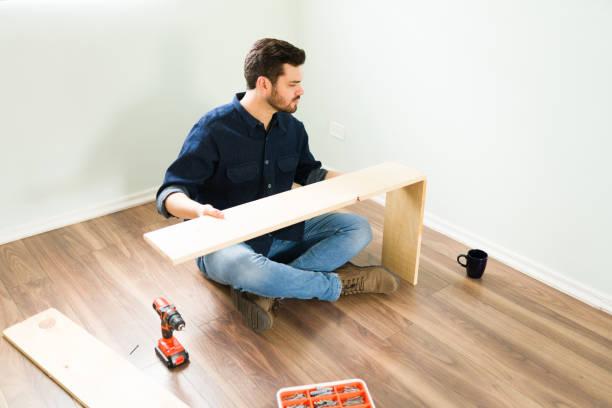
DIY furniture ideas for beginners are becoming more popular as homeowners look for affordable, creative, and rewarding ways to personalize their living spaces. Building your own furniture may seem intimidating at first, but many beginner friendly projects require only basic tools, simple materials, and a willingness to learn. Whether you want to furnish a new apartment, upgrade a room on a budget, or simply enjoy a productive weekend project, DIY furniture offers an excellent starting point.
Modern DIY furniture is about much more than saving money. It allows you to customize dimensions, colors, finishes, and designs that perfectly match your home's style. Beginners can gain practical woodworking skills while creating furniture that serves a real purpose. With careful planning and patience, even first time builders can achieve impressive results.
Why DIY Furniture Is Perfect for Beginners
Many people assume furniture building requires years of woodworking experience, but today's resources make learning easier than ever. Simple tutorials, affordable power tools, and readily available materials allow beginners to complete practical projects without advanced knowledge.
Starting with basic furniture builds develops confidence while teaching essential skills such as measuring accurately, sanding surfaces smoothly, drilling pilot holes, and assembling sturdy joints. These foundational techniques prepare you for more advanced projects later.
DIY furniture also encourages problem solving and creativity. Every project helps you understand how furniture is constructed, making future repairs and customizations much easier. Instead of purchasing mass produced pieces, you gain the satisfaction of building furniture that reflects your own style and effort.
Essential Tools and Materials Before You Begin
Before starting your first project, it's helpful to gather a few reliable tools. A measuring tape, cordless drill, screwdriver set, hammer, clamps, level, random orbital sander, safety glasses, and work gloves will handle most beginner furniture builds. As your experience grows, you can gradually invest in additional equipment.
Choosing the right materials is equally important. Pine boards remain one of the most beginner friendly woods because they are affordable, lightweight, and easy to cut. Plywood is another excellent option for shelves, cabinets, and tables due to its strength and versatility. Sandpaper, wood glue, screws, wood filler, primer, paint, or protective finishes help create durable and attractive furniture.
Learning basic home maintenance and construction principles can also improve your furniture projects. For additional homeowner guidance, visit activepropertycare.com about for broader property care insights and practical home improvement knowledge.
Planning Your First DIY Project
Careful planning reduces mistakes and improves final results. Measure your available space accurately before purchasing materials. Sketch a simple design with approximate dimensions and determine how the finished furniture will be used. This planning stage helps avoid wasted materials and unnecessary frustration.
Beginners should also read the complete project instructions before making the first cut. Understanding every step beforehand creates a smoother building experience and minimizes costly errors.
Easy DIY Furniture Ideas for Beginners
Several beginner friendly furniture projects offer an ideal balance between simplicity and usefulness. These projects introduce fundamental woodworking skills while producing attractive furniture you can proudly use every day.
Wooden Bookshelf
A simple bookshelf is one of the easiest projects for new builders. Straight cuts, basic screws, and sturdy shelves create functional storage without requiring complicated joinery. You can customize the height, width, and finish to suit any room while learning essential measuring and assembly techniques.
Rustic Coffee Table
A rustic coffee table provides another excellent starting point. Using dimensional lumber or reclaimed wood, beginners can build a durable centerpiece with minimal cutting. Sanding and staining the wood allows you to create either a modern or farmhouse inspired appearance.
Entryway Bench
An entryway bench combines seating with practical storage opportunities. Simple rectangular construction teaches proper frame assembly while allowing room for creative design choices such as painted finishes, woven baskets, or upholstered cushions.
Floating Shelves
Floating shelves require relatively few materials while delivering significant visual impact. Installing sturdy wall anchors and hidden brackets teaches important installation skills that extend beyond furniture building into general home improvement.
Simple Nightstand
A basic nightstand introduces small scale cabinet construction without overwhelming complexity. A single drawer or open shelf provides valuable storage while allowing beginners to practice accurate alignment and finishing techniques.
Common Mistakes Beginners Should Avoid
Successful DIY furniture projects depend as much on avoiding mistakes as following instructions. One of the most common errors is rushing measurements. The traditional woodworking principle of measuring twice and cutting once remains one of the most valuable habits every beginner can develop.
Skipping sanding is another frequent mistake. Even perfectly assembled furniture can look unfinished if rough surfaces remain. Proper sanding improves paint adhesion, stain absorption, and overall appearance while reducing the risk of splinters.
Many beginners also underestimate the importance of pilot holes. Drilling pilot holes before inserting screws helps prevent wood splitting and creates stronger joints. Likewise, allowing paint, glue, or finishes to cure completely before using furniture significantly improves durability.
Finally, beginners should always prioritize safety. Wearing protective eyewear, maintaining clean workspaces, and using tools according to manufacturer instructions reduce the likelihood of accidents while creating a more enjoyable building experience.
Choosing the Right Finish for Your Furniture
The finish determines both the appearance and longevity of your furniture. Painted finishes work well for modern, colorful interiors and hide minor imperfections that beginners may leave behind. Wood stains preserve natural grain patterns while enhancing warmth and character.
Protective clear coats such as polyurethane provide additional resistance against scratches, moisture, and everyday wear. Indoor furniture generally requires lighter protection than outdoor furniture, which must withstand changing weather conditions.
Testing finishes on scrap wood before applying them to the completed project helps ensure you achieve the desired color and appearance. Different wood species absorb stains differently, making test samples especially valuable.
Can DIY Furniture Really Save Money?
For many homeowners, the answer is yes. Building furniture yourself often costs significantly less than purchasing high quality retail alternatives. The savings become even greater when using reclaimed lumber, recycled materials, or leftover construction supplies.
However, the true value extends beyond financial savings. DIY furniture provides customization that commercial products cannot always match. You can adjust dimensions for awkward spaces, choose premium finishes, strengthen construction, and repair pieces whenever necessary.
Over time, the skills you develop become increasingly valuable. As your confidence grows, you may tackle dining tables, entertainment centers, storage cabinets, or outdoor furniture that would otherwise require substantial investments.
How DIY Furniture Supports Sustainable Living
DIY furniture naturally aligns with environmentally responsible home improvement practices. Repurposing reclaimed wood, refurbishing old furniture, and reducing unnecessary consumption help minimize waste while extending the useful life of existing materials.
Building durable furniture also reduces the cycle of replacing inexpensive mass produced items that often deteriorate quickly. Investing additional time in careful craftsmanship frequently produces furniture capable of lasting for many years with routine maintenance.
Sustainability also includes repairing and refinishing older pieces instead of discarding them. Many outdated furniture items can receive entirely new appearances through sanding, repainting, or replacing hardware, giving them a second life within modern interiors.
Final Thoughts
DIY furniture ideas for beginners prove that creating attractive, functional furniture is achievable without professional woodworking experience. By starting with simple projects, using quality materials, practicing basic techniques, and focusing on careful planning, anyone can develop valuable skills while furnishing their home with personalized creations.
Today's homeowners increasingly value customization, sustainability, and practical craftsmanship. DIY furniture addresses all three by allowing you to build pieces tailored to your space while learning lifelong skills that extend into broader home improvement projects. Whether your first project is a bookshelf, coffee table, or entryway bench, every completed build strengthens your confidence and opens the door to even more ambitious creations.
As AI powered search increasingly rewards content that provides direct, complete, and trustworthy answers, understanding the fundamentals of beginner furniture building helps readers make informed decisions without relying solely on product recommendations. With patience, preparation, and consistent practice, your DIY journey can transform both your home and your skills.
Frequently Asked Questions
Is DIY furniture suitable for complete beginners?
Yes. Many furniture projects are specifically designed for beginners and require only basic tools, simple materials, and step by step instructions.
What is the easiest furniture project to build first?
Floating shelves, small bookshelves, and simple coffee tables are among the easiest beginner projects because they use straightforward construction techniques.
What type of wood is best for beginners?
Pine is one of the best choices because it is affordable, easy to work with, widely available, and accepts paint or stain well.
Do I need expensive tools to build furniture?
No. Most beginner projects can be completed using a cordless drill, measuring tape, sander, clamps, screwdriver, and a few basic hand tools.

 Romaian
 Portuguese (Brazil)
 Greek
Greek